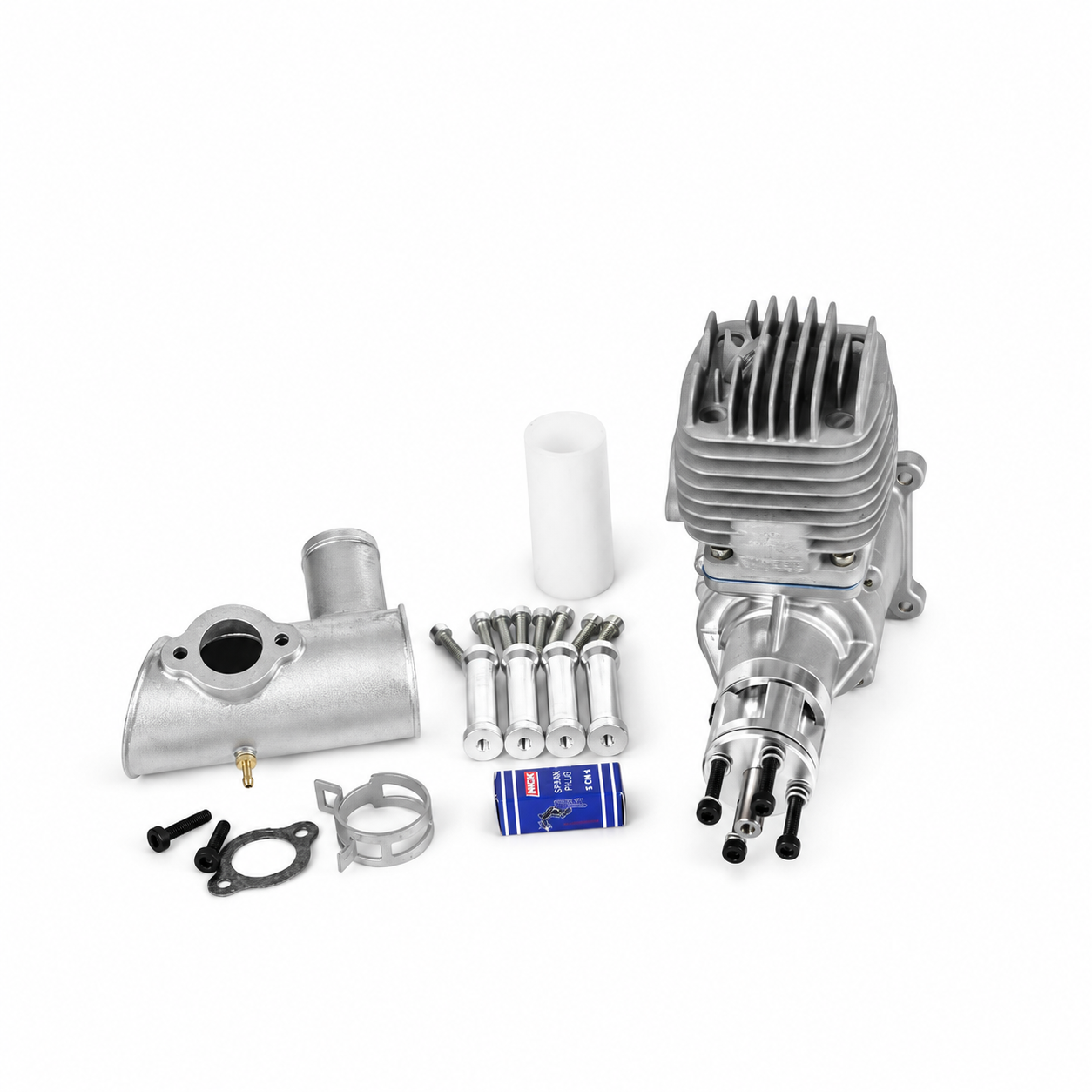
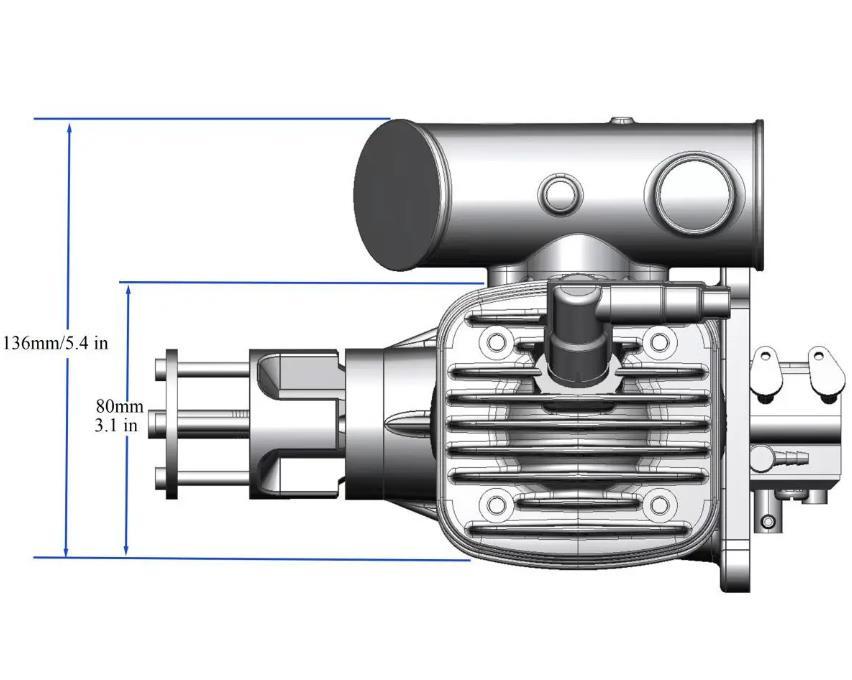
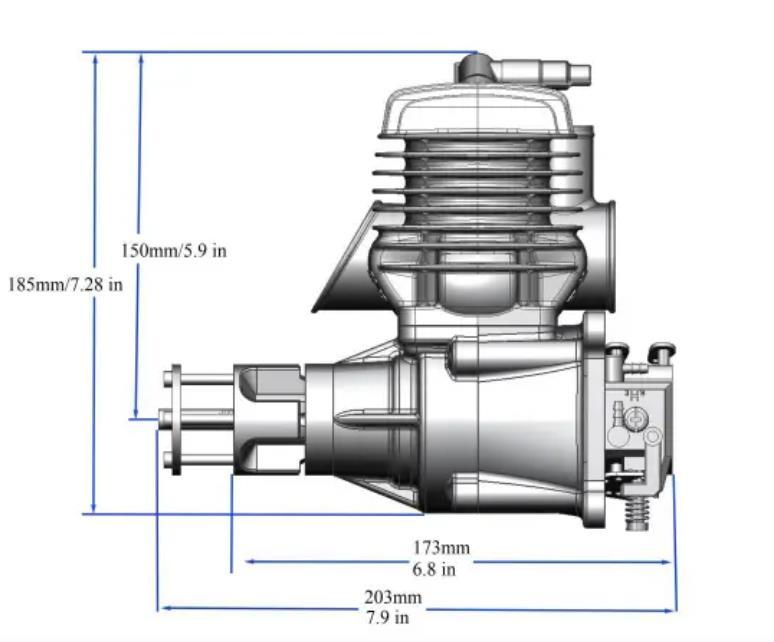
Power: 6.5 hp at 7,500 rpm. Speed range: 1,400–7,500 rpm. Walbro carburetor and Stinger DC-CDI electronic ignition; ignition supply: 7.4–14 V. Air cooling and a ceramic-coated cylinder. Engine weight: 1,400 g; with muffler and ignition module: 1,701 g.
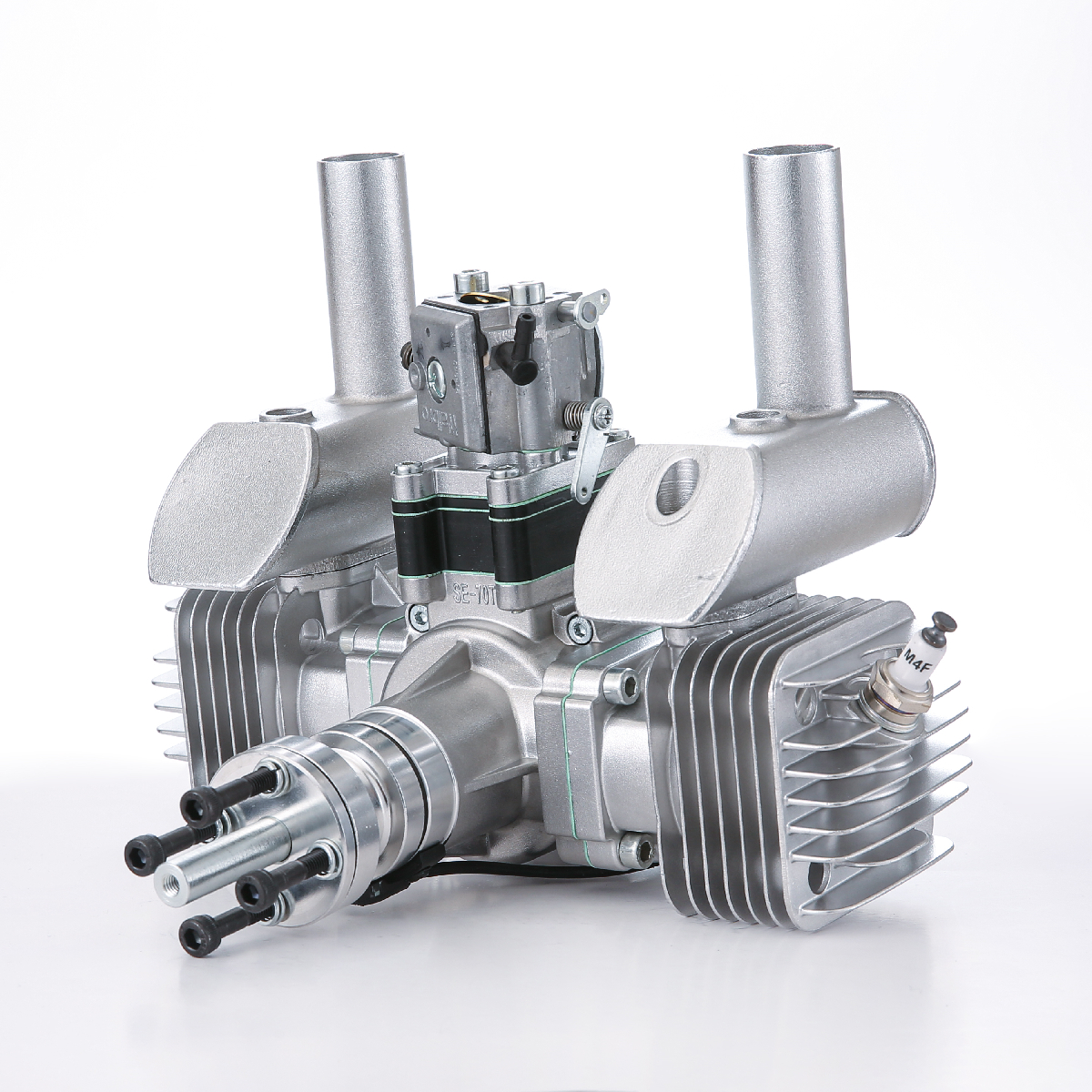
Two-stroke engine with horizontally opposed cylinders and air cooling. Displacement: 70 cm³. Power: 7.4 hp. Speed range: 1,500–8,600 rpm. Walbro carburetor and Stinger DC-CDI electronic ignition. Ignition supply: 7.4–14 V. CM6 spark plugs. Engine weight: 1,508 g; with two mufflers and ignition module: 1,805 g.
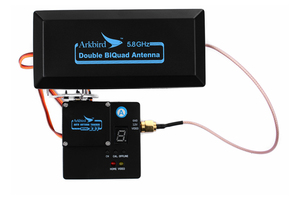
Frequency band: 5.8 GHz, 40 channels. RCA video output; PAL and NTSC formats. Antenna connector: RP-SMA male. Ground module supply: 10.5–12.6 V; consumption: 800 mA at 12 V. Airborne module supply: 7–16.8 V; consumption: 200 mA at 12 V.
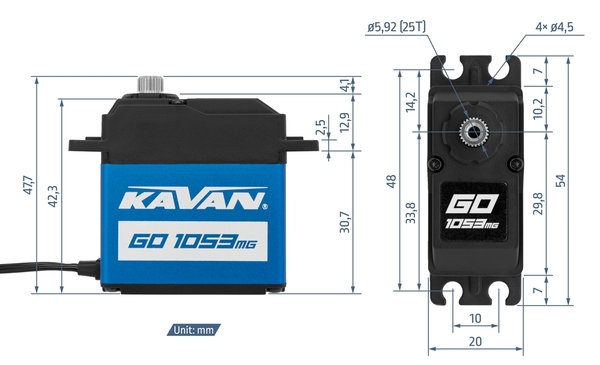
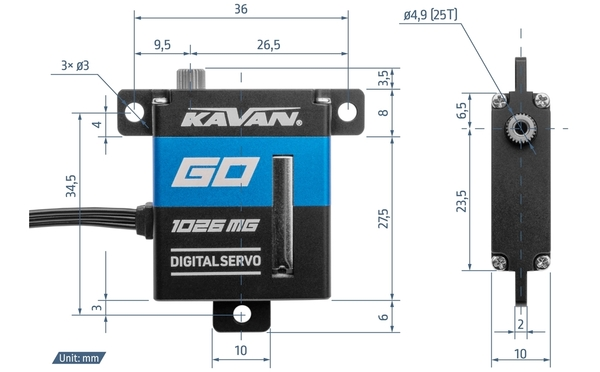
Manufacturer: Kavan. Standard-size digital servo. Supply: 4.8–8.4 V. Speed: 0.17–0.21 s/60°. Torque: 13–20 kg·cm. Metal gears and JR spline. Dimensions: 40 × 20 × 42.3 mm. Weight: 63 g.
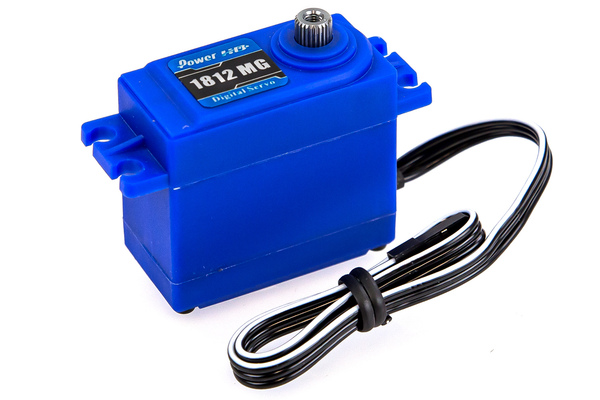
Standard-size digital servo. Operating voltage: 4.8–6.0 V DC. Torque: 16 kg·cm at 4.8 V; 18 kg·cm at 6.0 V. Speed: 0.14 s at 4.8 V; 0.12 s at 6.0 V. Two ball bearings, DC motor and copper/aluminum gears. Weight: 56 g.
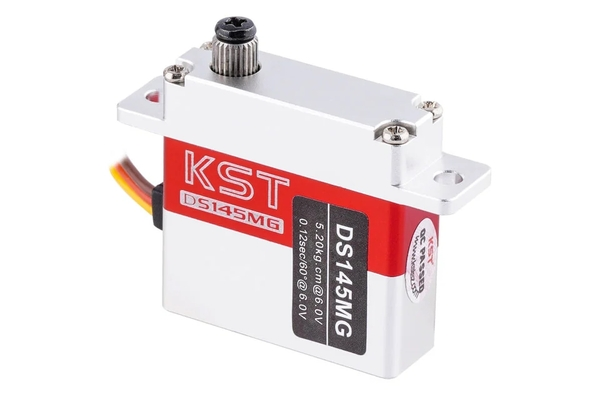
Micro digital servo. Supply: 6.0–8.4 V. Speed: 0.11–0.15 s/60°. Torque: 8.2–11 kg·cm. Metal gears and JR spline. Dimensions: 29 × 10 × 30.5 mm. Weight: 26 g.
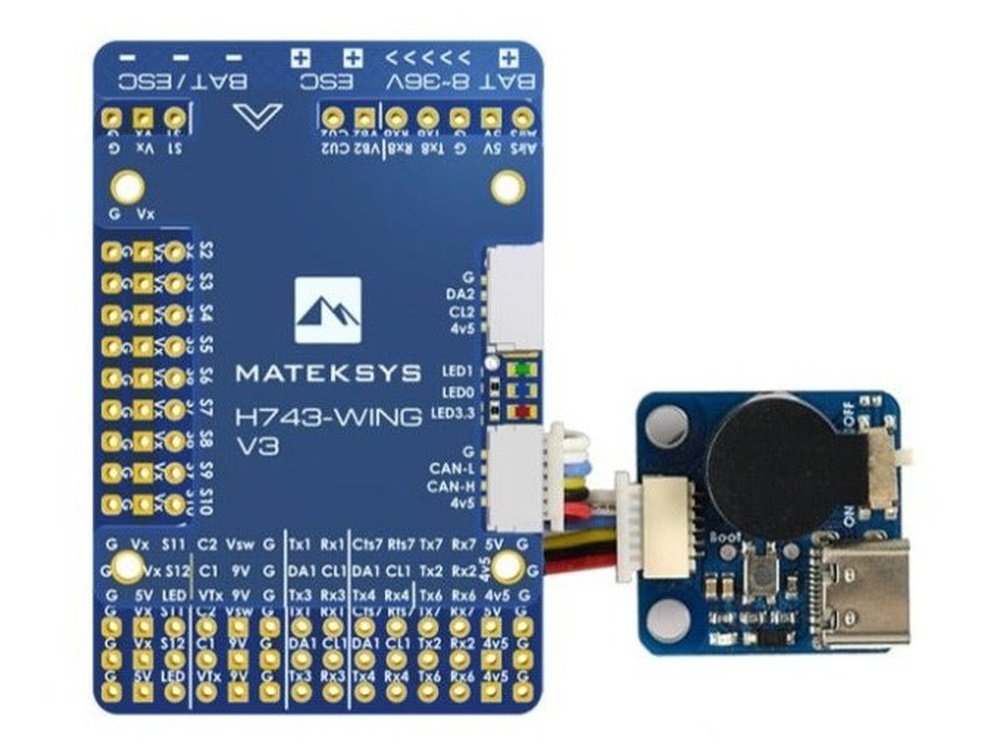
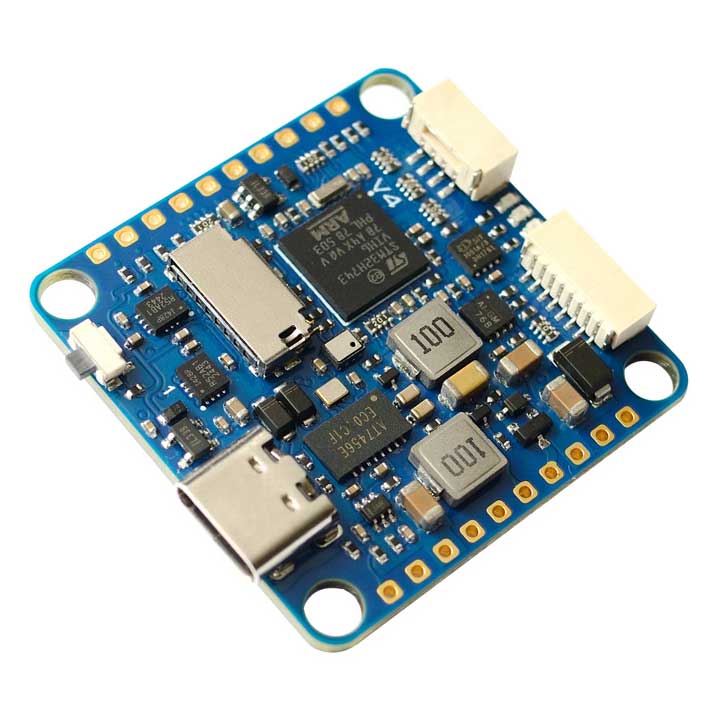
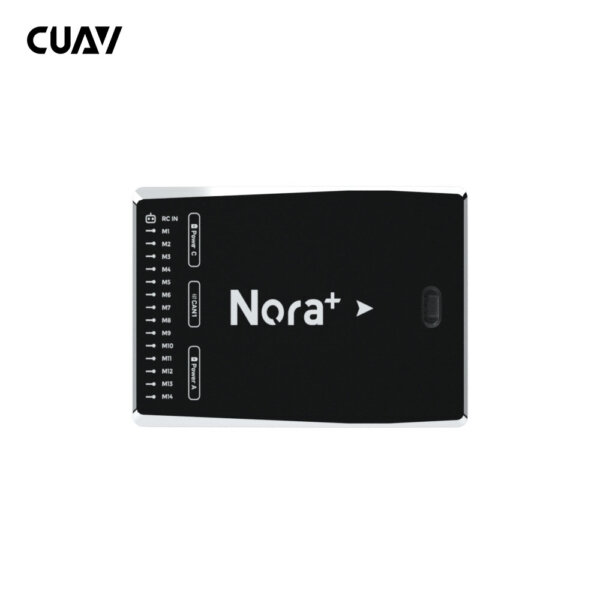
Controller for fixed-wing and vertical take-off and landing aircraft. STM32H743 processor running at 480 MHz. Features 13 PWM outputs, 7 UART ports, CAN and I²C. Integrated telemetry overlay and microSD slot. Supply: 9–36 V. ArduPilot support.
Radar altimeter for measuring distance to the surface. Range: 0.5–200 m; accuracy: ±0.1 m. Update rate: 42 Hz. UART and CAN interfaces. Supply: 5–16 V; power consumption: 1.5 W. Dimensions: 130 × 70 × 14.5 mm. Weight: 95 g.
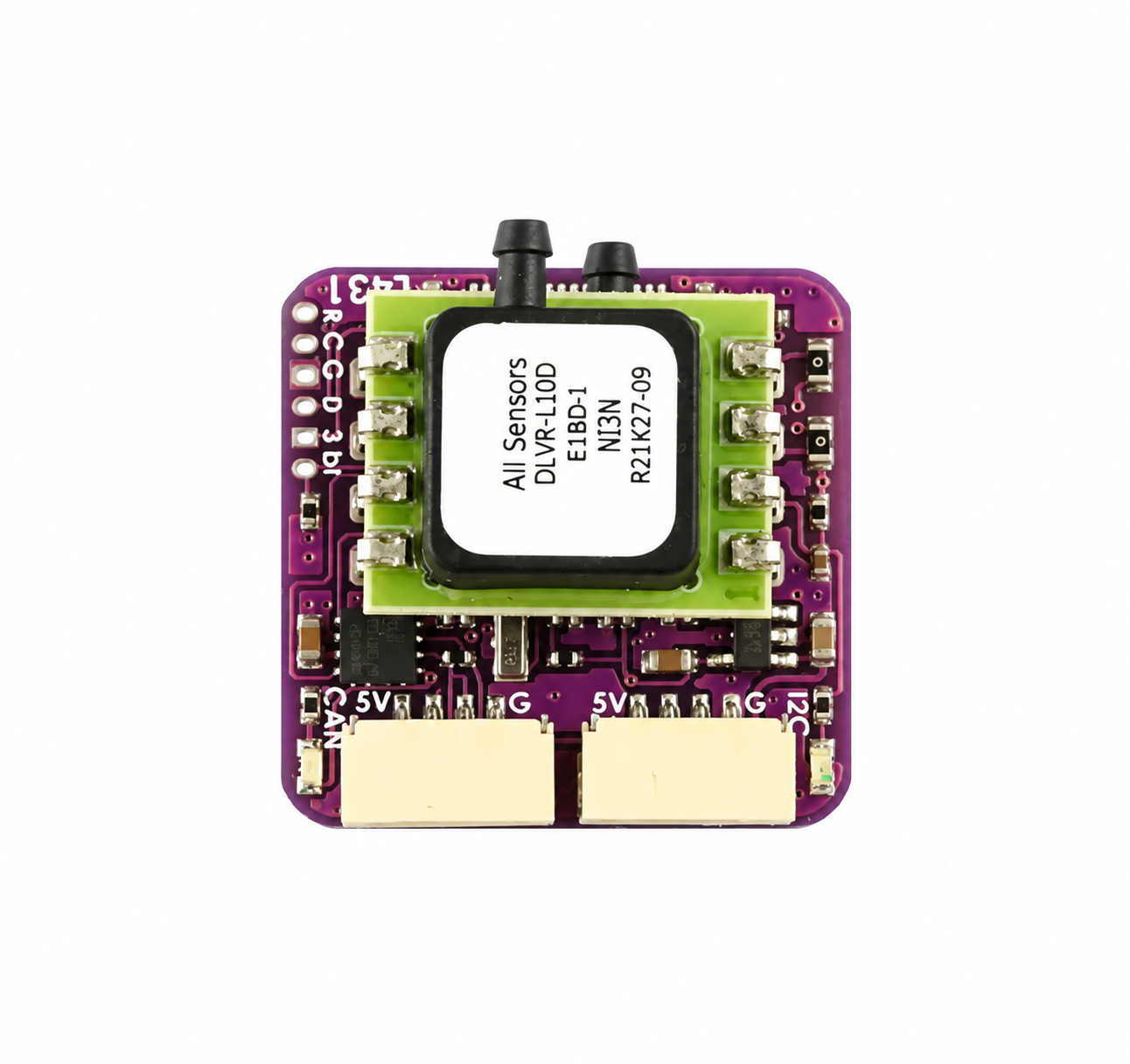
Digital sensor based on the DLVR-L10D differential pressure sensor and STM32L431 microcontroller. Connects via CAN with DroneCAN or I²C. Pressure range: ±2,500 Pa; airspeed measurement up to 227 km/h. Supply: 4.5–5.5 V. Board weight: 4 g.
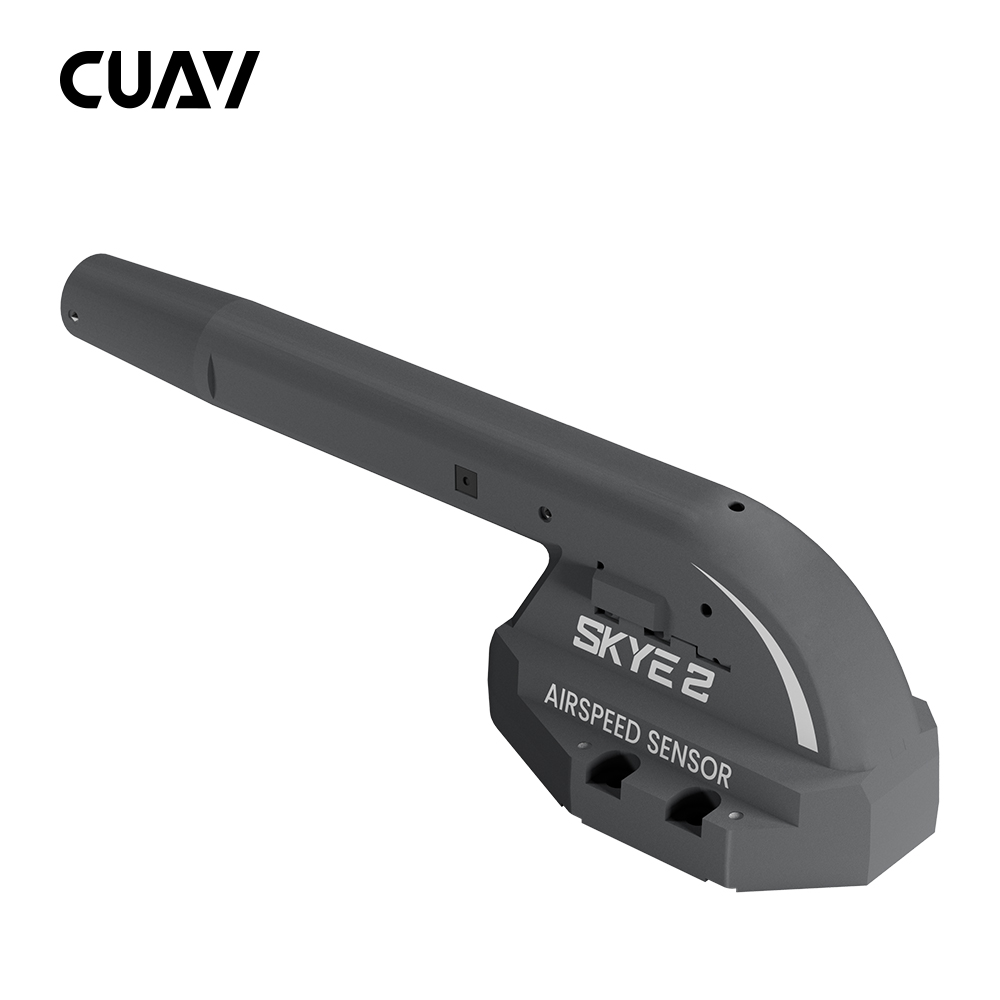
Sensor featuring the SM5391, DroneCAN interface and a 35 W heated Pitot tube. Airspeed range: 0–106 m/s; differential pressure range: ±6,895 Pa. Accuracy: ±1% of full scale. Operating temperature: −20 to +85 °C. Weight: 25 g. Supports ArduPilot and PX4.
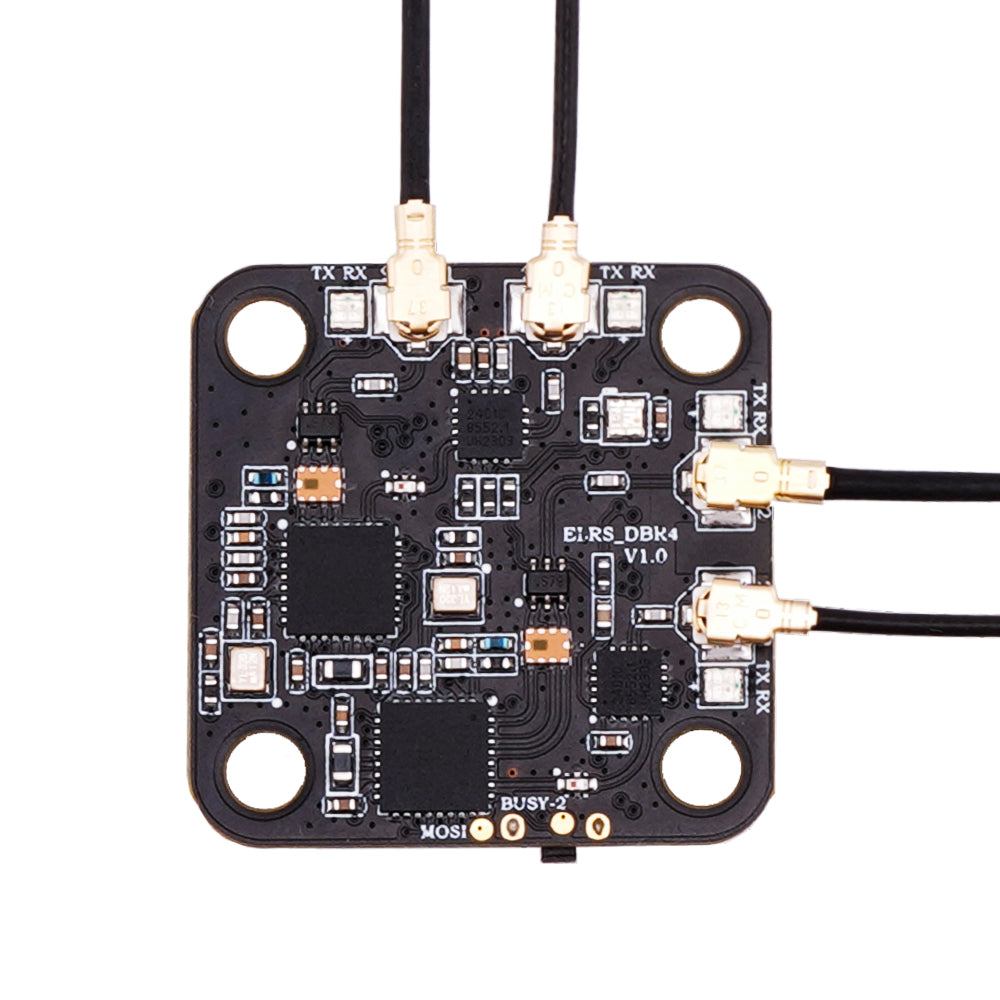
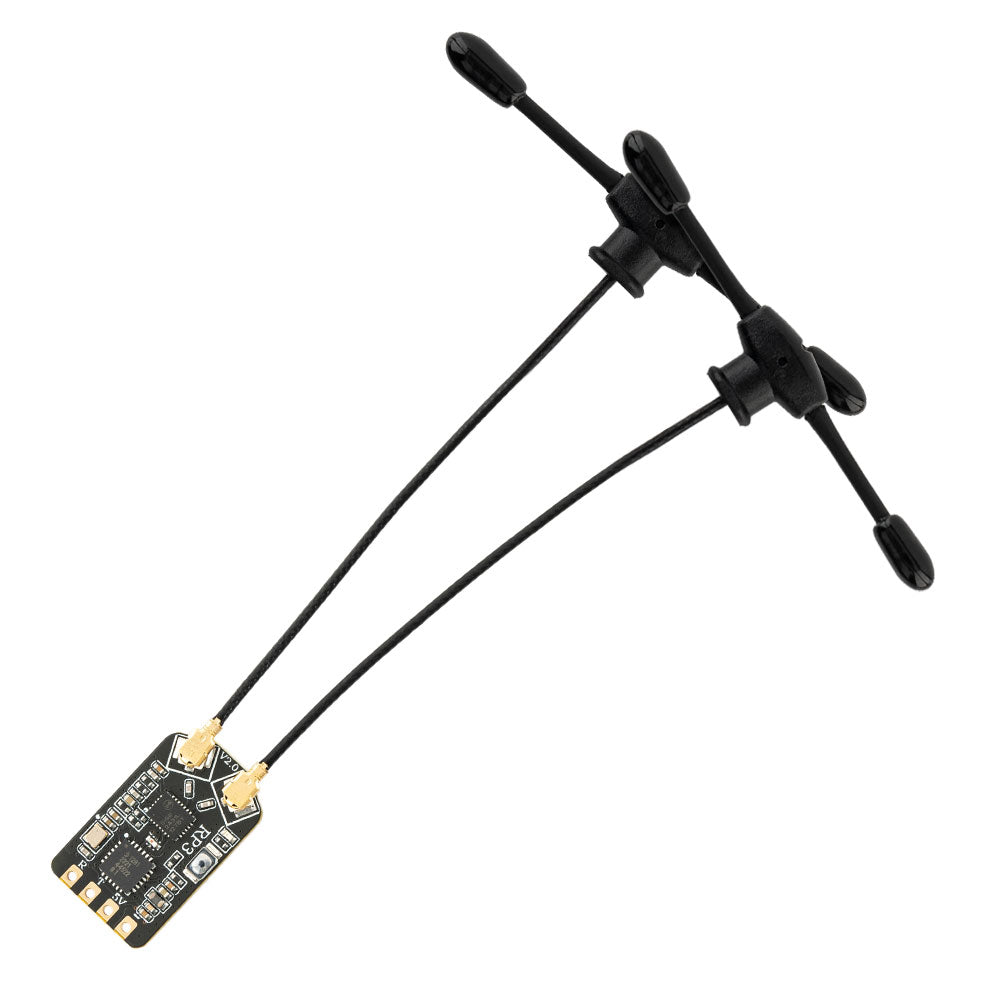
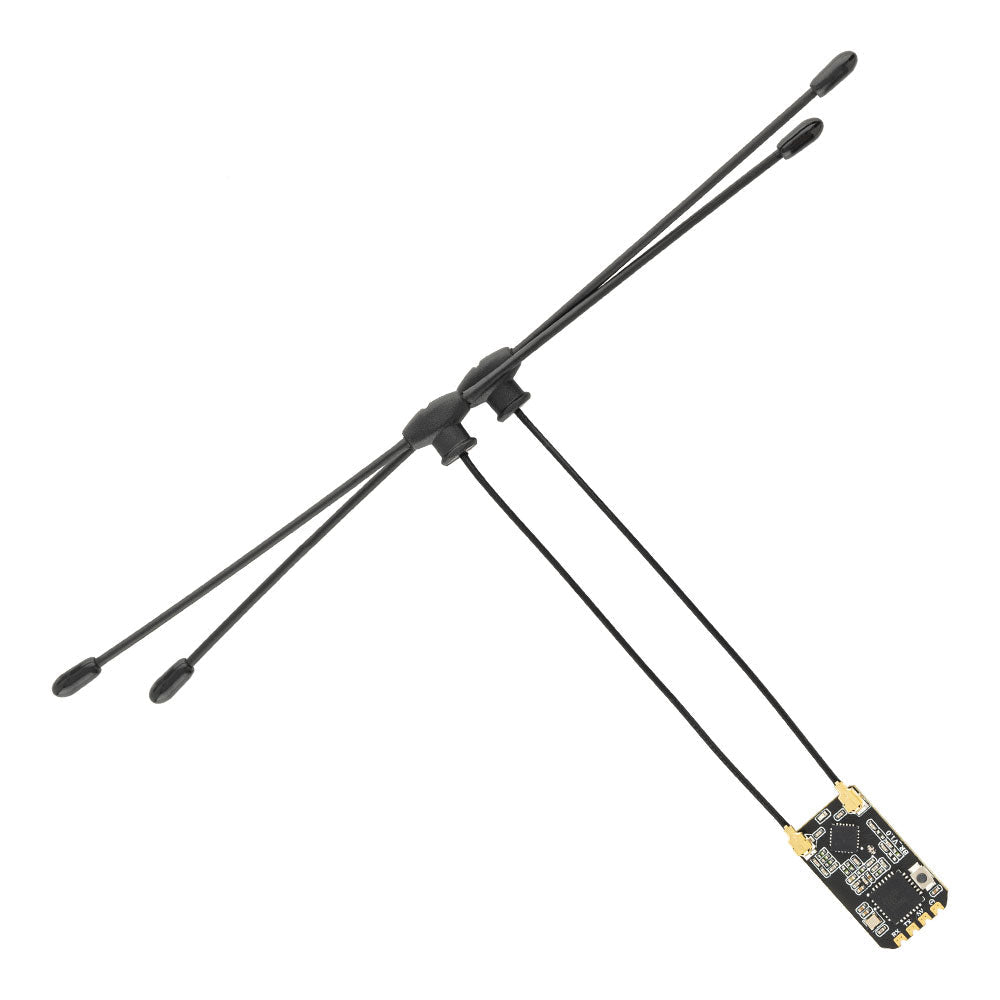
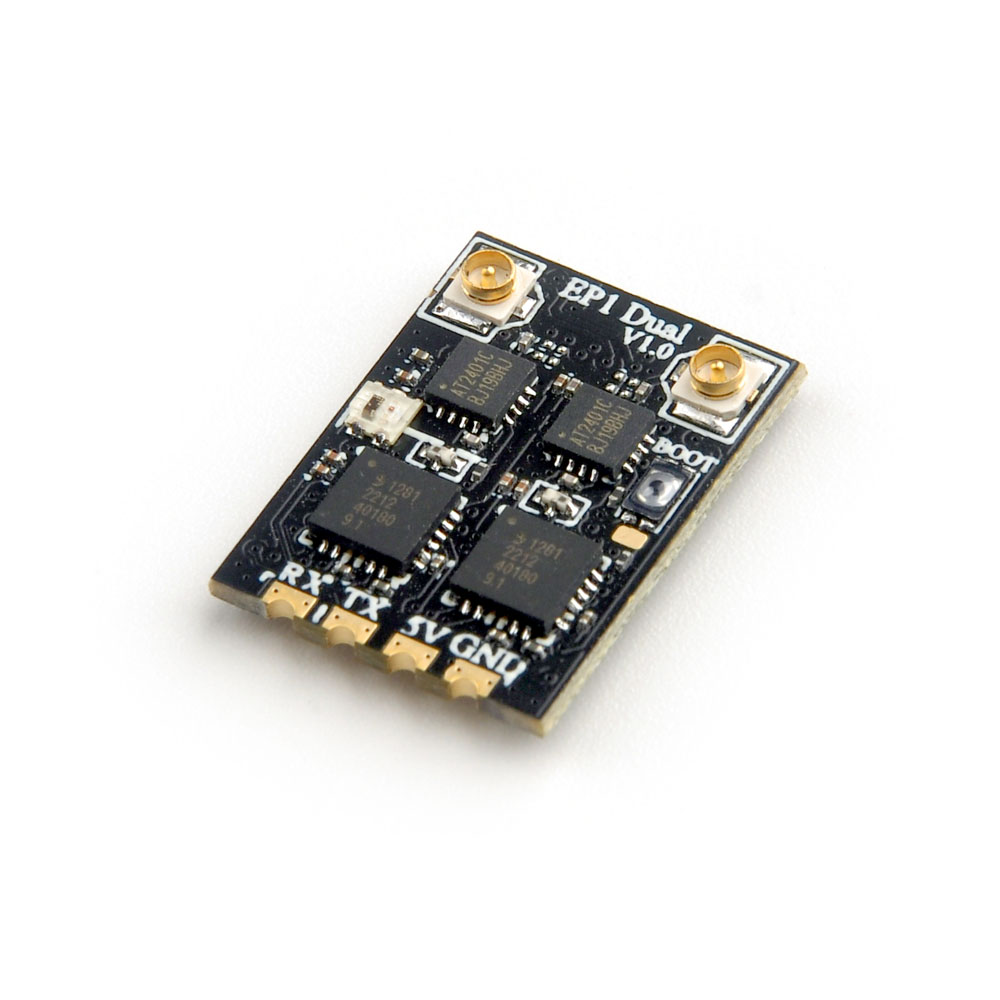
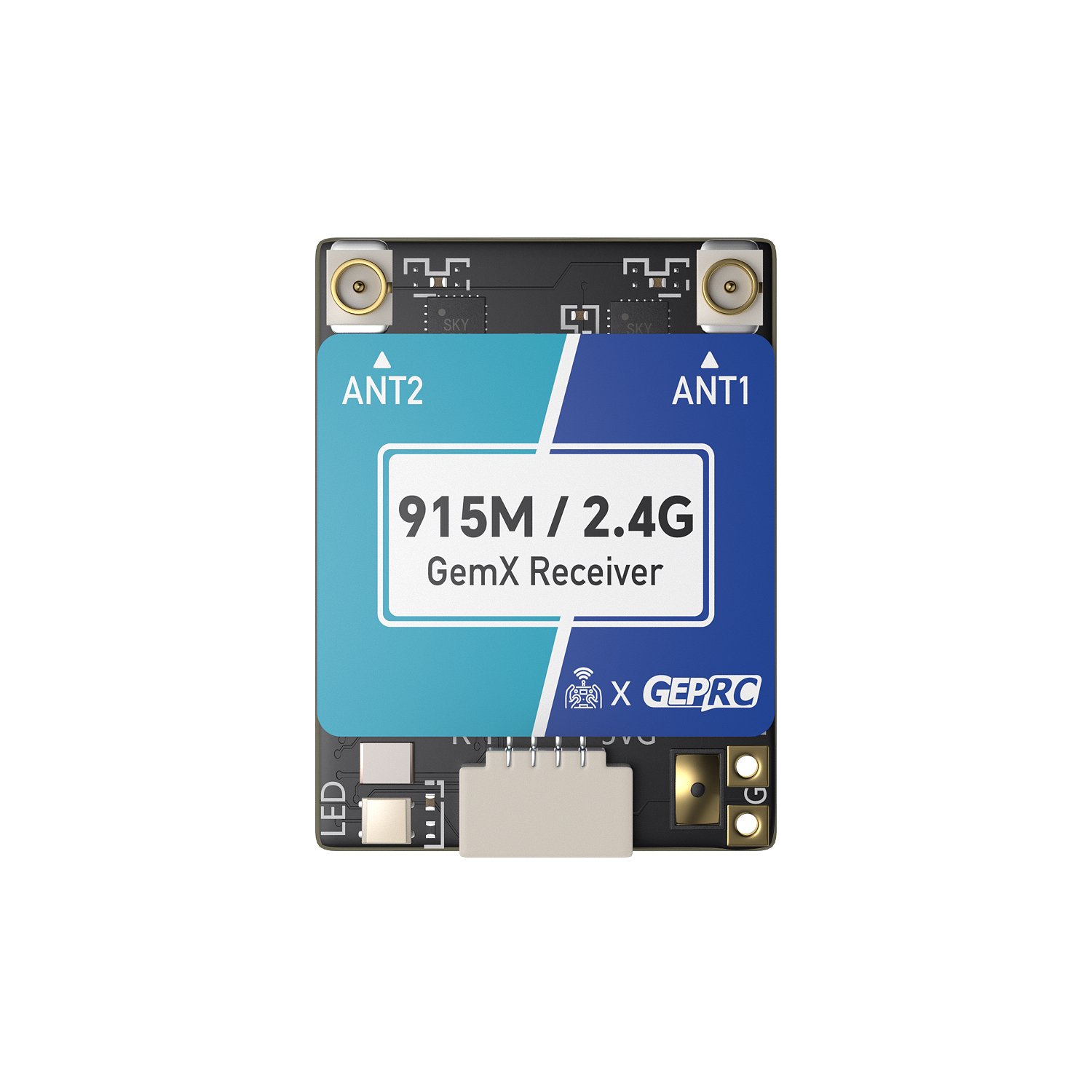
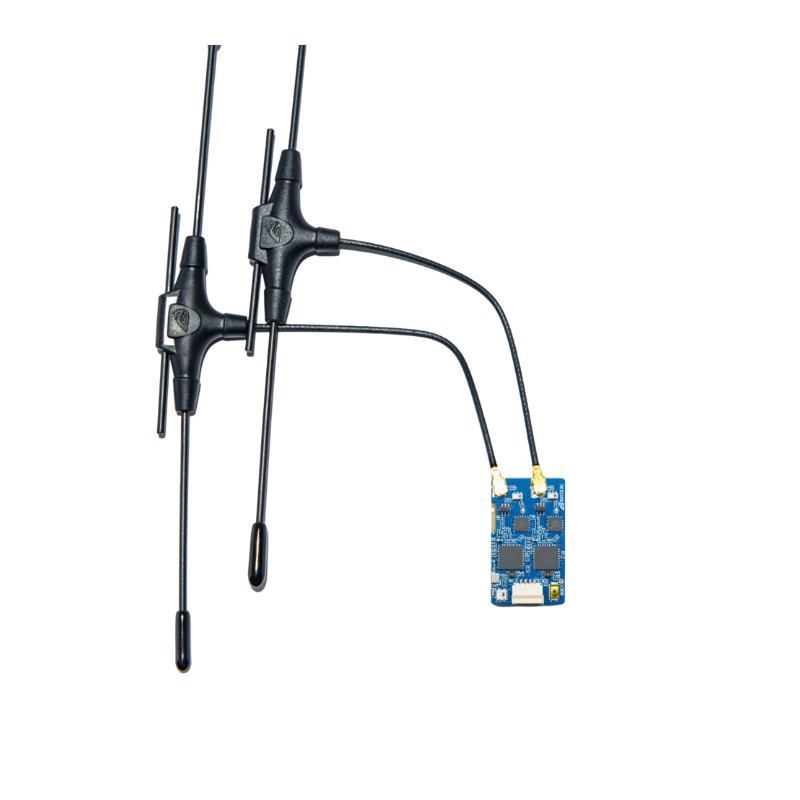
ExpressLRS receiver with two independent RF circuits and two antennas. Supports True Diversity and Gemini. CRSF interface and Wi-Fi configuration. Supply voltage: 4.5–12 V.
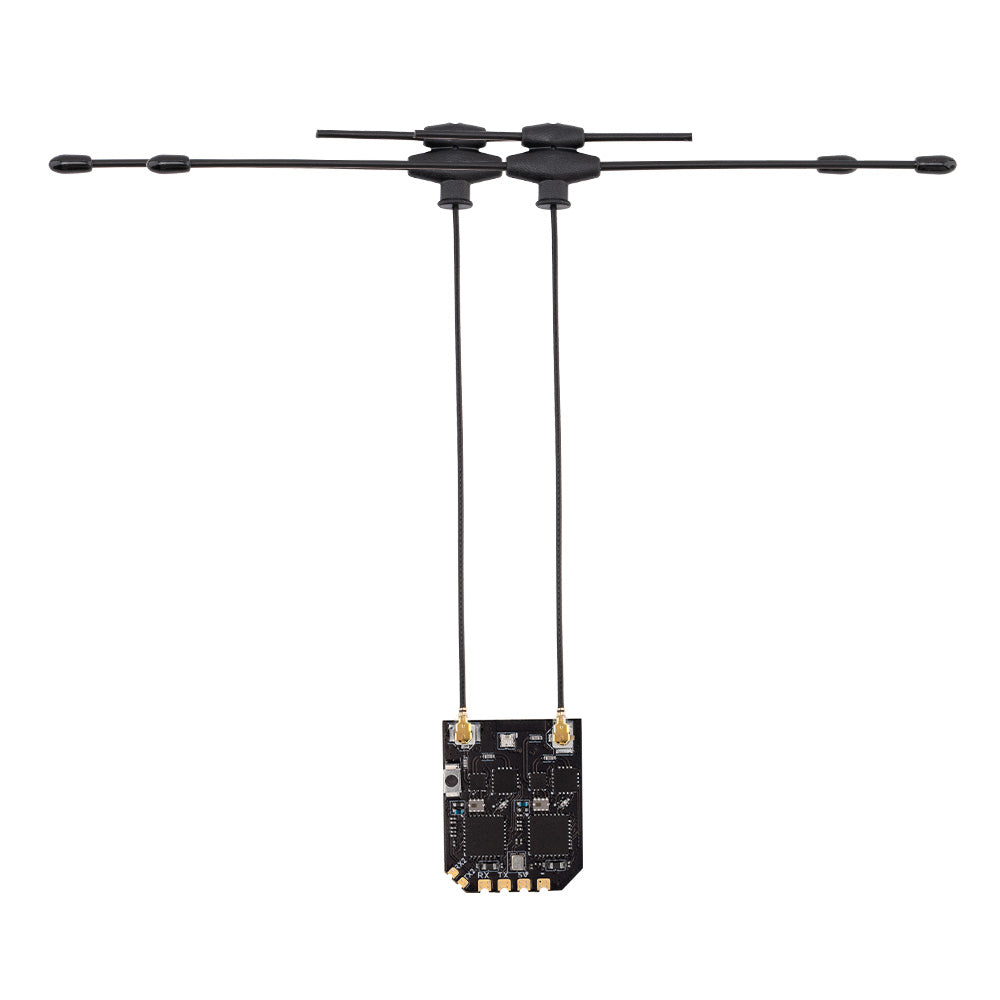
Dual-band ExpressLRS receiver with two LR1121 modules and four antennas. Operates in the 900 MHz and 2.4 GHz bands with Gemini Xrossband support. CRSF interface. Supply voltage: 4.5–8.4 V.
Compact ExpressLRS receiver based on the LR1121 radio chip. External antenna, CRSF interface and Wi-Fi configuration. Supply voltage: 5 V. Board dimensions: 20 × 13 × 3 mm.
Dual-band ExpressLRS receiver with two independent LR1121 RF circuits and two antennas. Supports Gemini Xrossband in the 900 MHz and 2.4 GHz bands. CRSF interface. Supply voltage: 4.5–8.4 V.
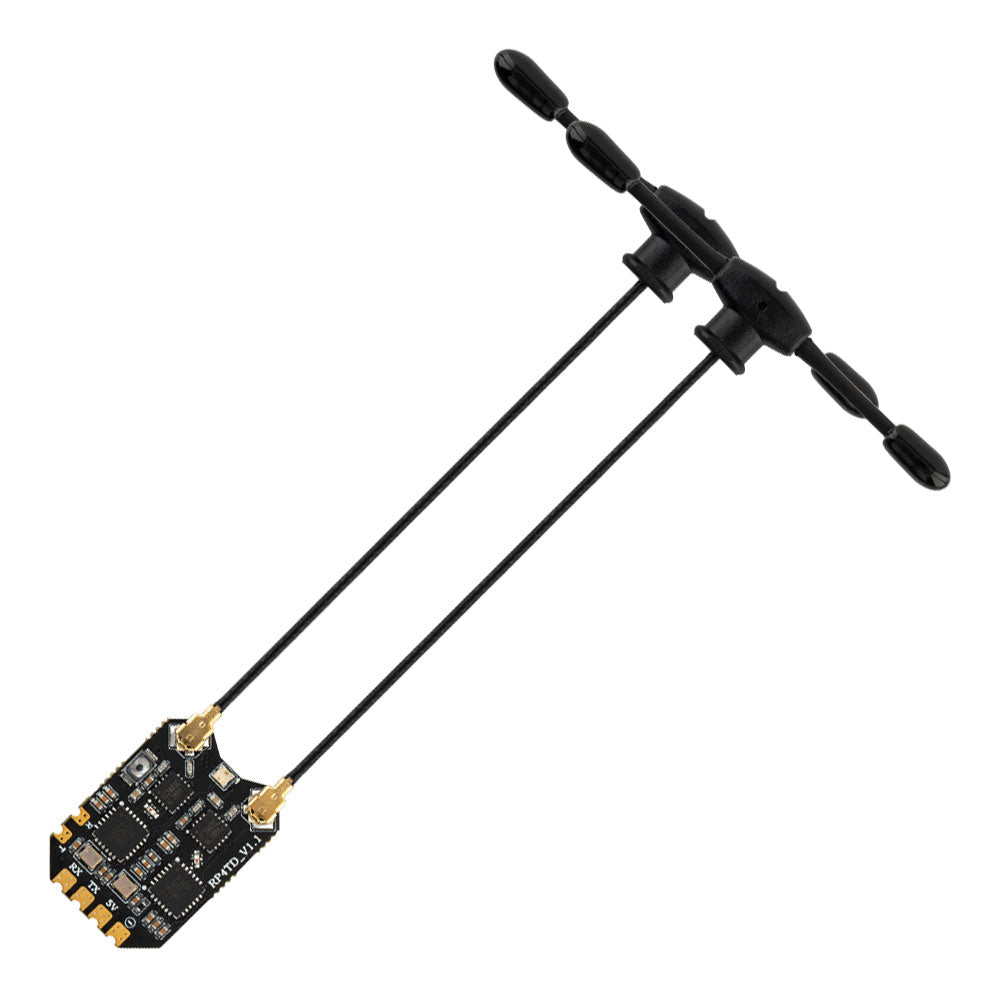
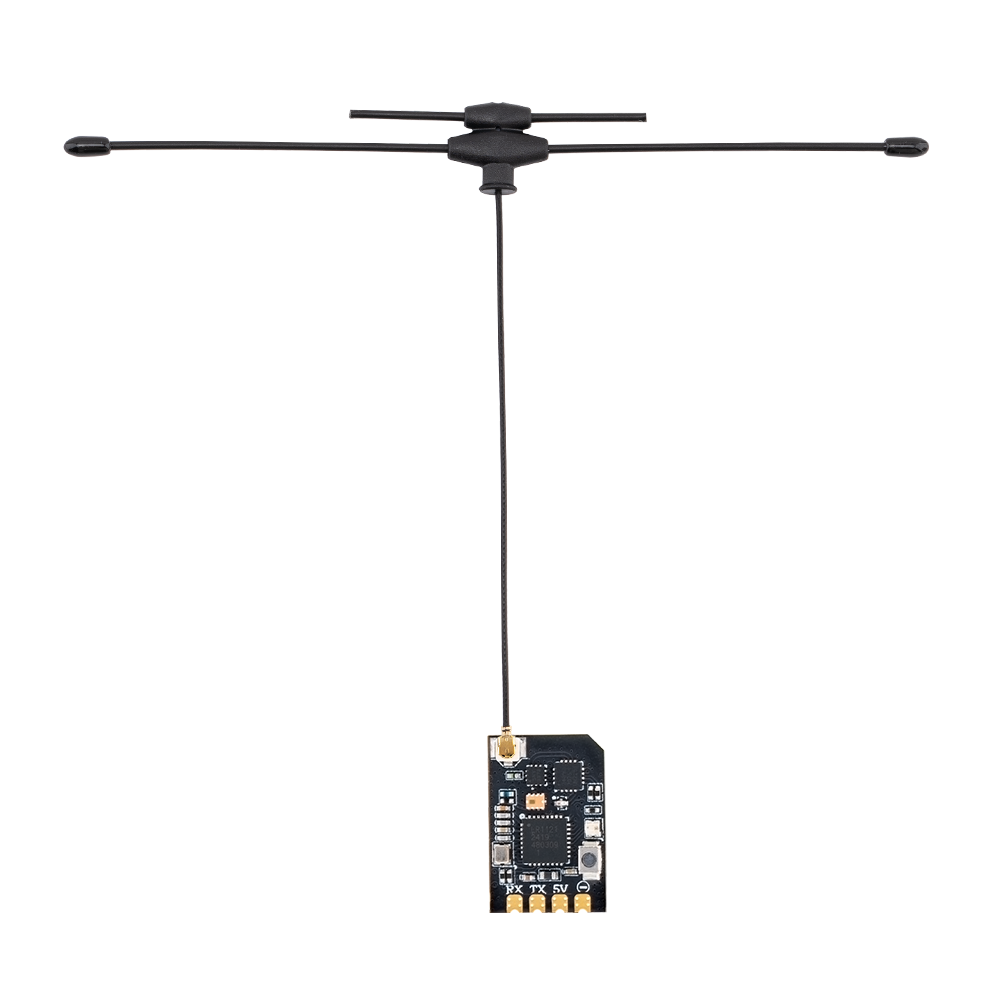
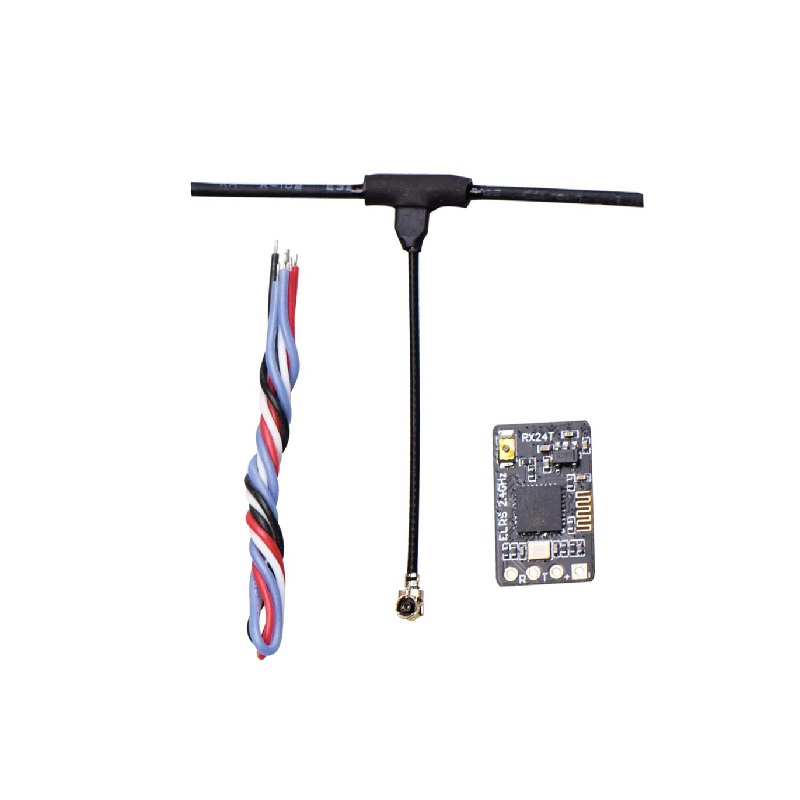
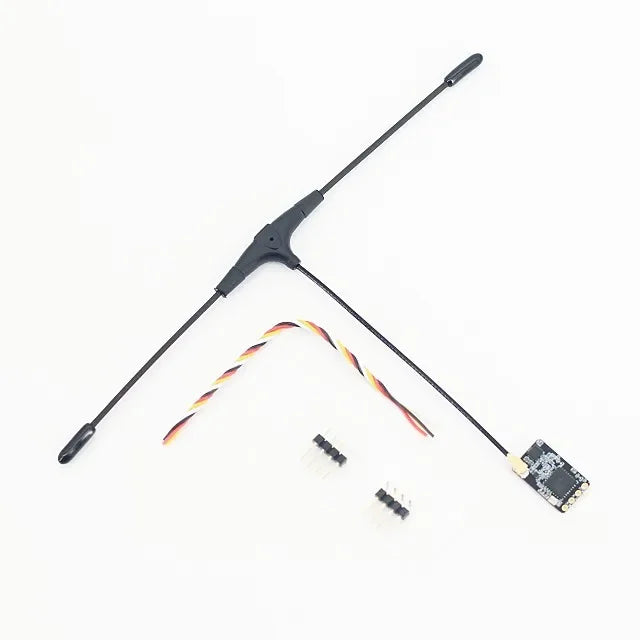
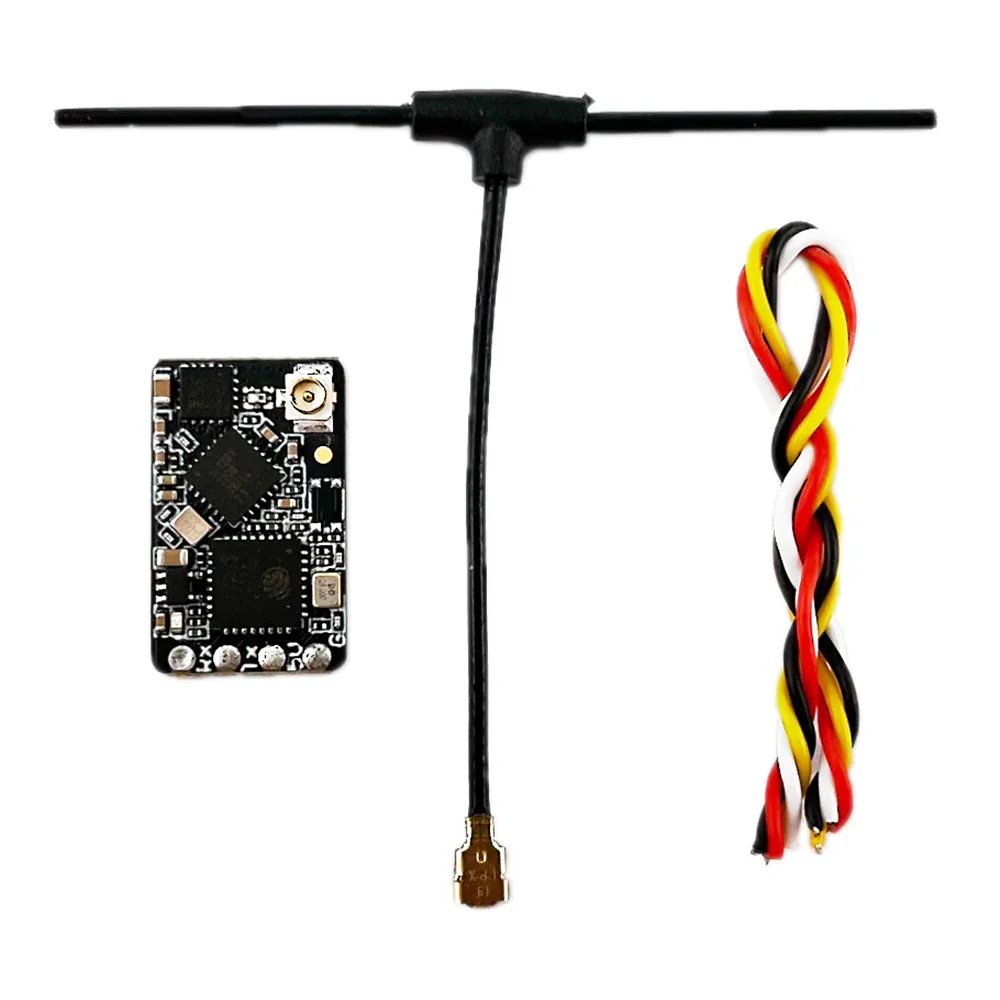
Miniature ExpressLRS receiver with an external T-shaped antenna. Transmits control commands and telemetry via CRSF. Supports updates over Wi-Fi. Supply voltage: 5 V.
Compact ExpressLRS receiver with two antennas and automatic antenna switching. CRSF interface for control and telemetry. Updates over Wi-Fi. Supply voltage: 5 V.
ExpressLRS receiver with two antennas for the 915 MHz band. Supports two-way telemetry and CRSF connectivity. Supply voltage: 4.5–8.4 V. Board dimensions: 24 × 14.2 mm.
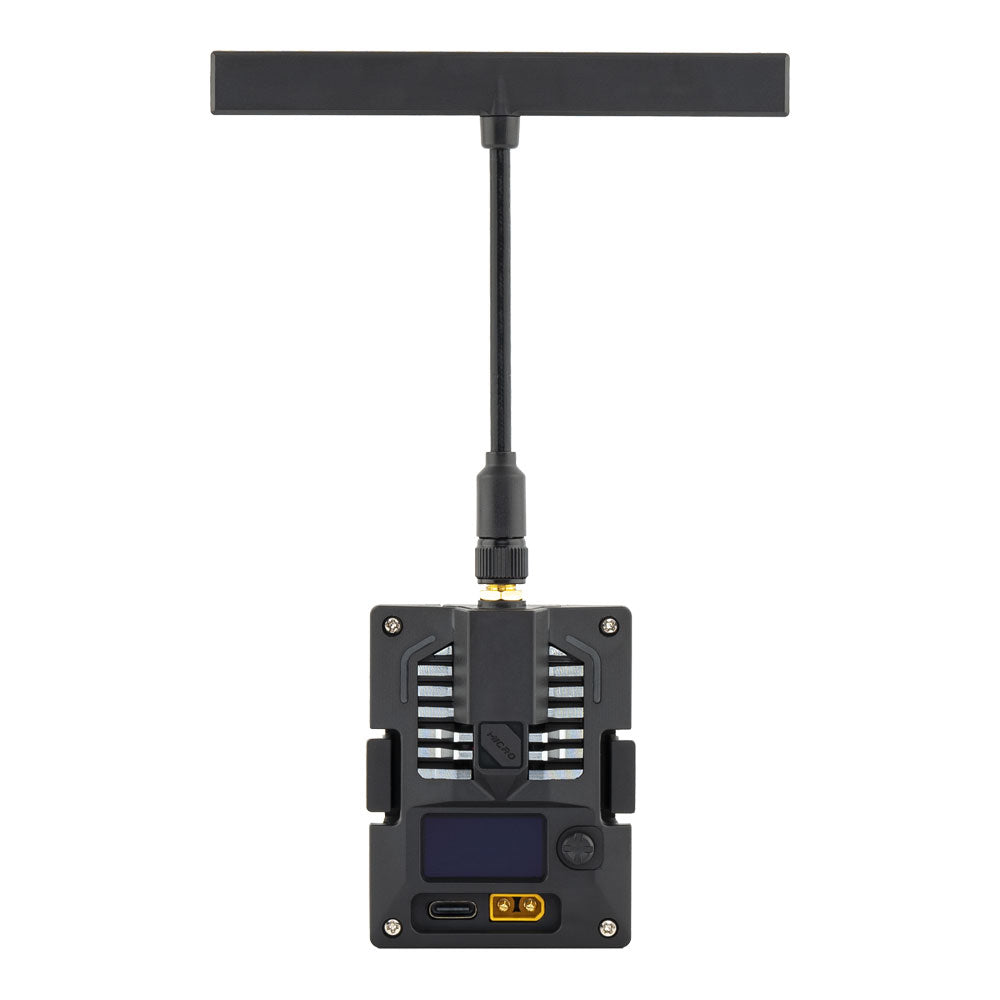
External ExpressLRS module for radio transmitters with a Micro module bay. Operates in the 868/915 MHz bands and features an OLED display and cooling system. Maximum transmission power: 1 W.
ExpressLRS receiver with two independent RF circuits and two antenna connectors. A temperature-compensated TCXO oscillator stabilizes the operating frequency. Supports True Diversity and CRSF.
Dual-antenna ExpressLRS receiver for the 868/915 MHz bands. Two independent RF circuits provide True Diversity reception. Features a temperature-compensated TCXO oscillator and CRSF interface.
ExpressLRS receiver with two independent RF circuits and True Diversity support. A temperature-compensated TCXO oscillator improves frequency stability. CRSF interface; telemetry power up to 100 mW.
STM32H743 controller running at 480 MHz with two ICM42688P inertial sensors. Features 13 PWM outputs, 7 UART ports, CAN, I²C and a microSD slot. Supply voltage: 6–36 V. Dimensions: 36 × 36 × 5 mm.
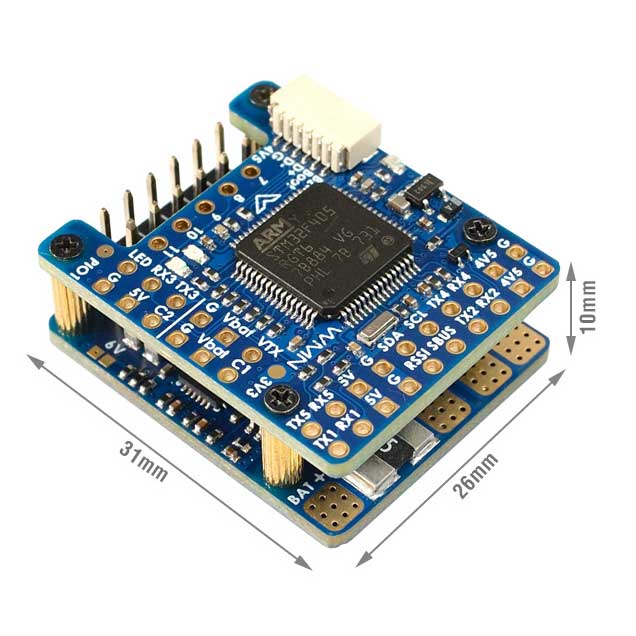
Compact fixed-wing controller based on the STM32F405 processor. Features 12 PWM outputs, 5 UART ports, I²C, an inertial sensor and a barometer. Supply voltage: 6–30 V. Integrated servo power regulator.
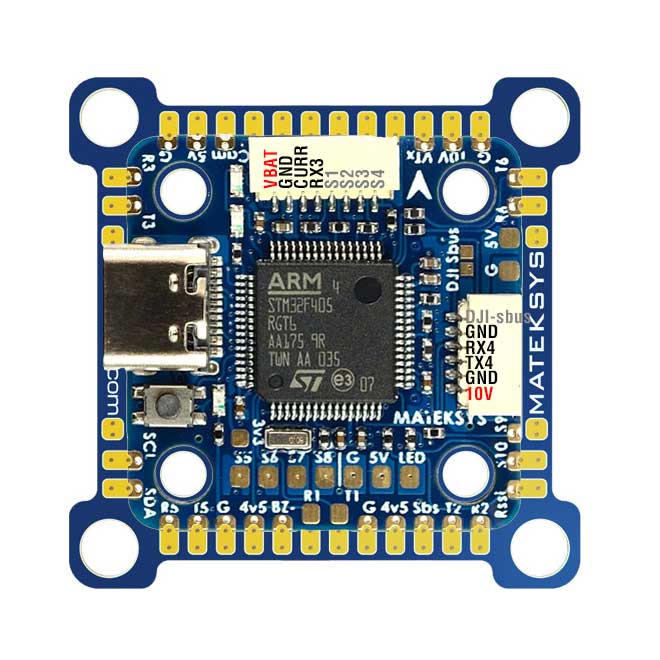
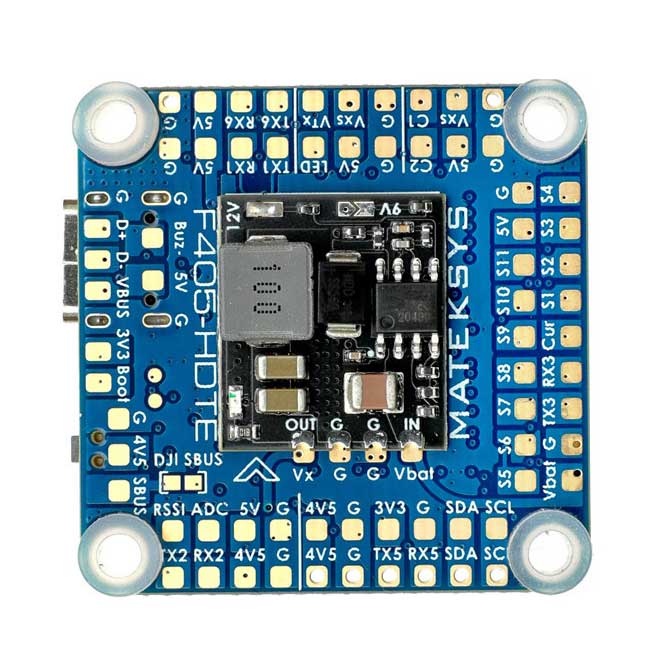
STM32F405 flight controller with 12 PWM outputs, 6 UART ports and I²C. Integrated 16 MB memory for flight logs and 5 V and 10 V power regulators. Board size: 28 × 28 mm.
STM32F405 controller with an ICM42688P inertial sensor and SPL06 barometer. Features 12 PWM outputs, 6 UART ports and 16 MB memory. Supports a 9–60 V supply and telemetry overlay on analog video.
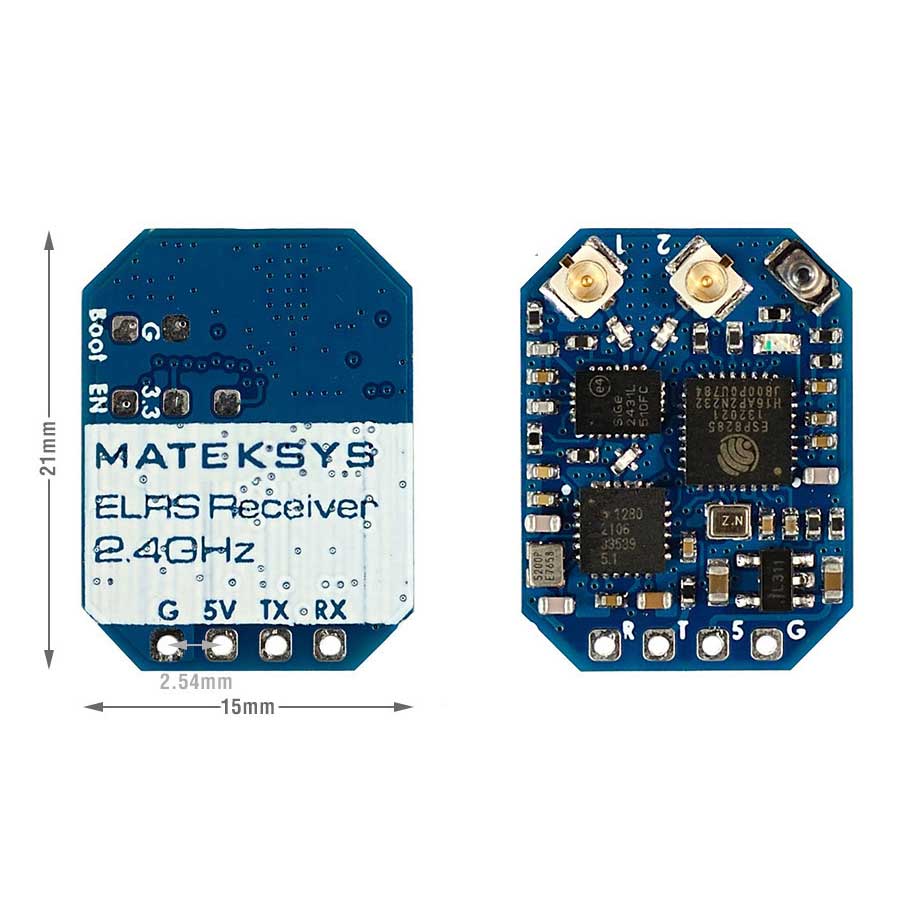
ExpressLRS receiver with two antenna connectors and antenna switching. CRSF interface for control commands and telemetry. Supports Wi-Fi updates. Supply voltage: 4–9 V. Dimensions: 21 × 15 mm.
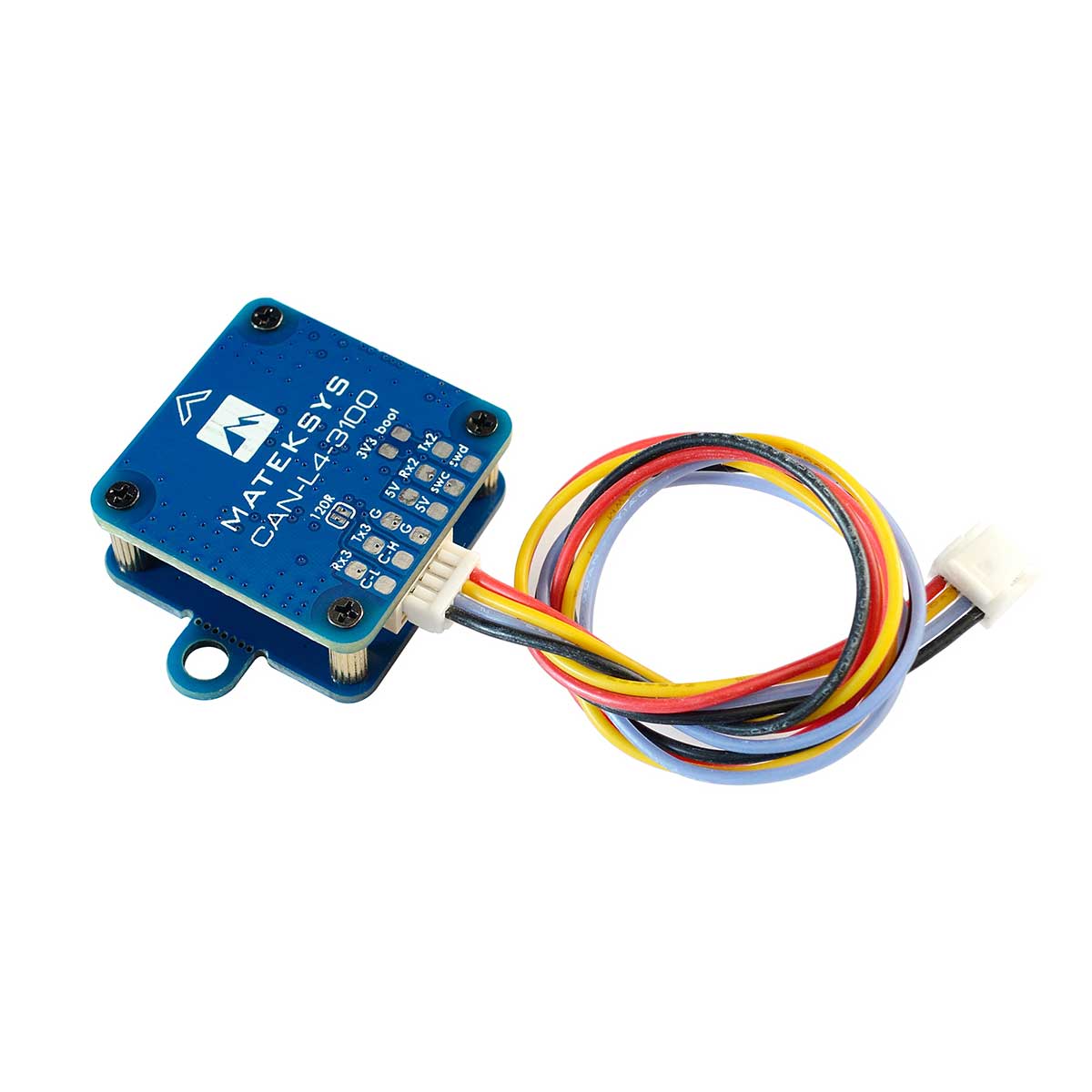
External compass based on the RM3100 magnetometer and STM32L431 microcontroller. CAN connectivity with DroneCAN. Supply voltage: 4.5–5.5 V. Dimensions: 36 × 25 × 10 mm.
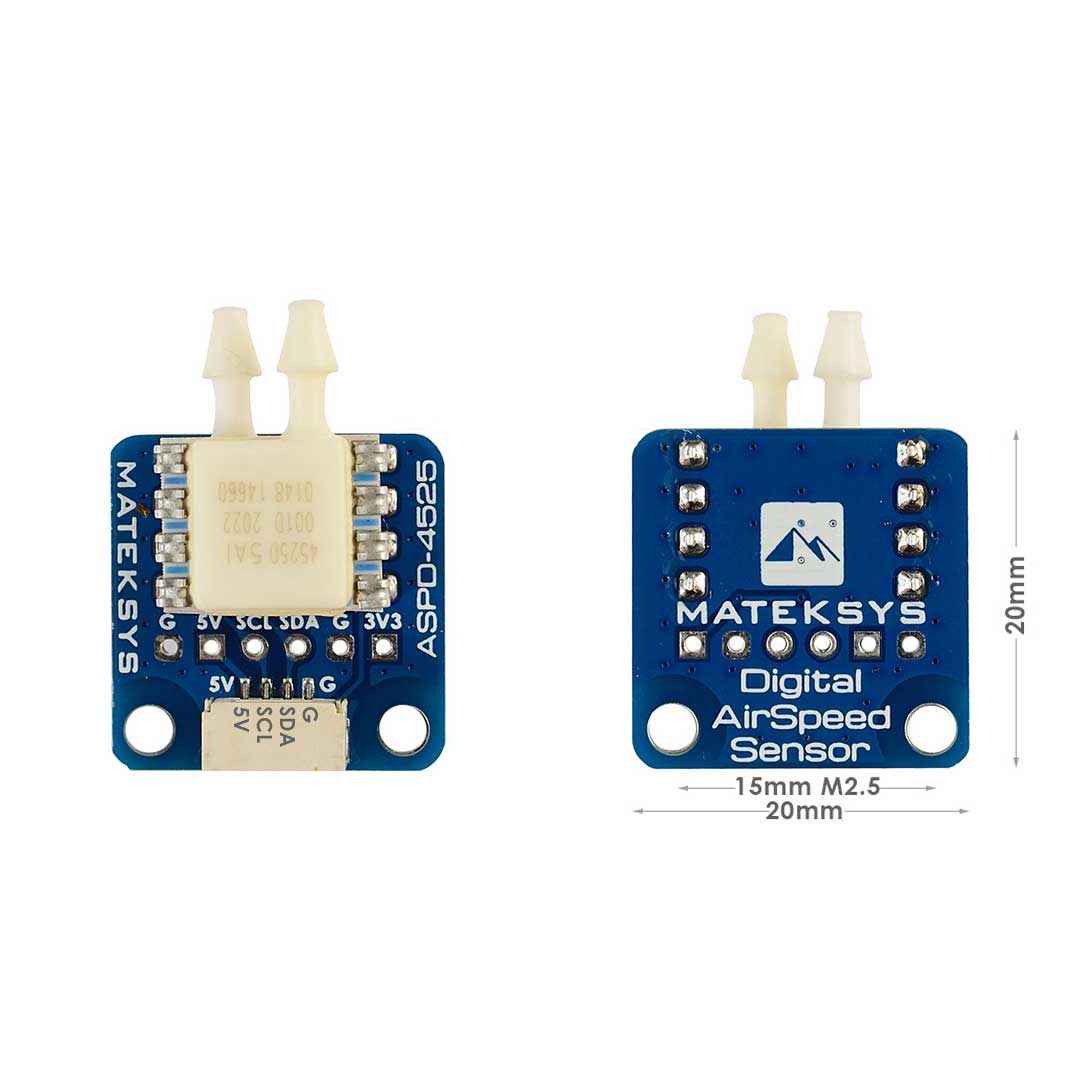
Digital differential pressure sensor based on the TE 4525DO. Used with a Pitot tube to measure airspeed. I²C interface. Supply voltage: 4–5.5 V. Pressure range: up to 6.89 kPa.
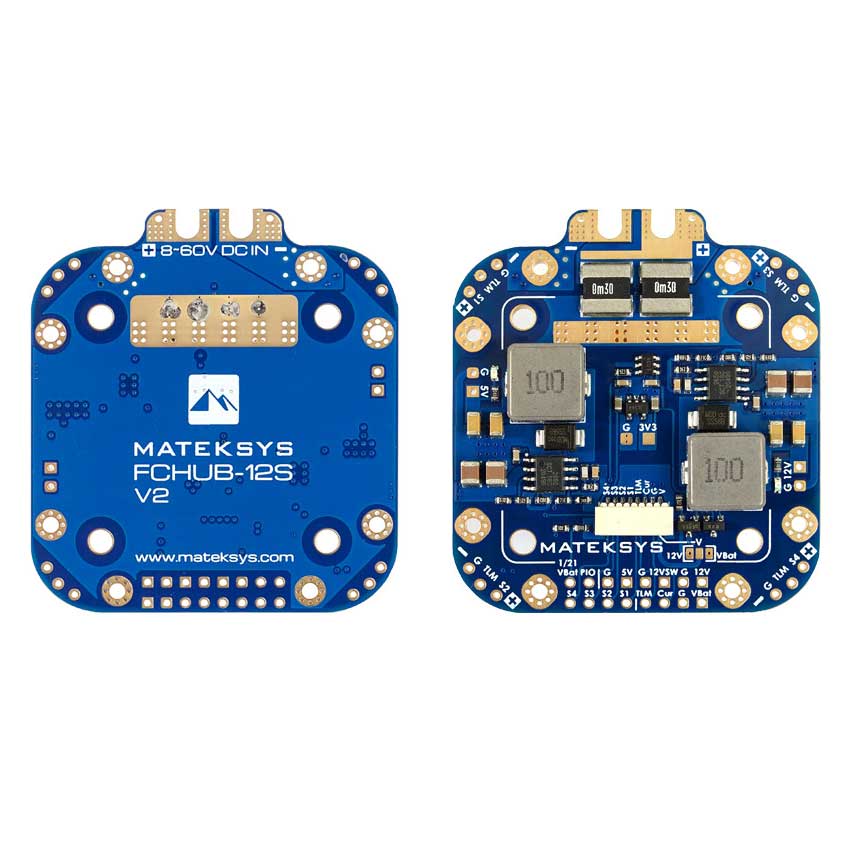
Power distribution board for 3–12S batteries with an 8–60 V voltage range. Features a current sensor and 5 V and 12 V regulators for onboard electronics. Dimensions: 55 × 50 × 6 mm.
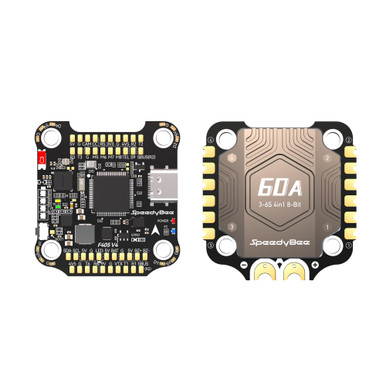
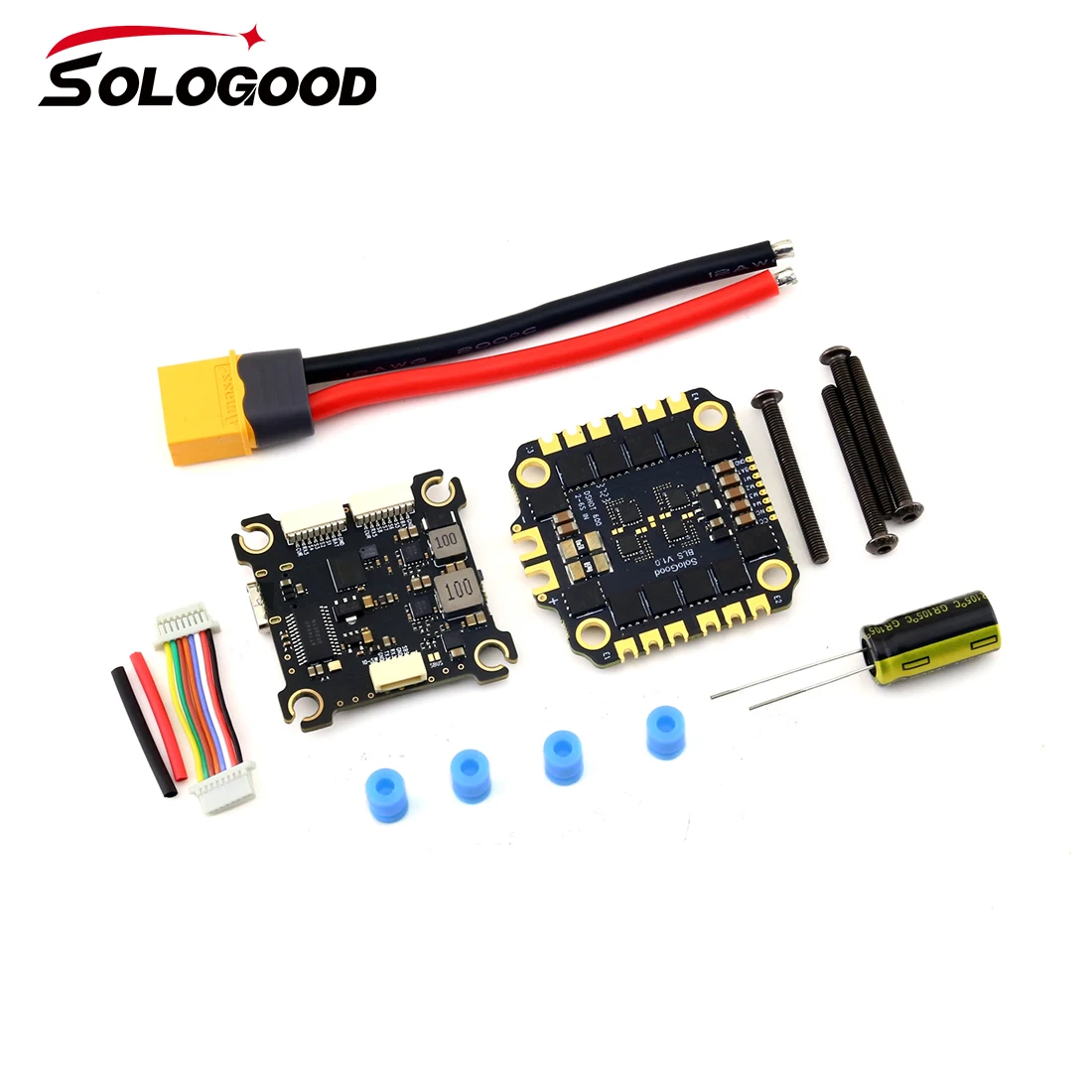
STM32F405 flight controller and BLS 60A 4-in-1 ESC stack for FPV drones. Features an ICM42688P gyro, Bluetooth configuration via SpeedyBee, a microSD slot for Blackbox and a DJI Air Unit connector. Power: 3–6S LiPo. Mounting: 30.5 × 30.5 mm.
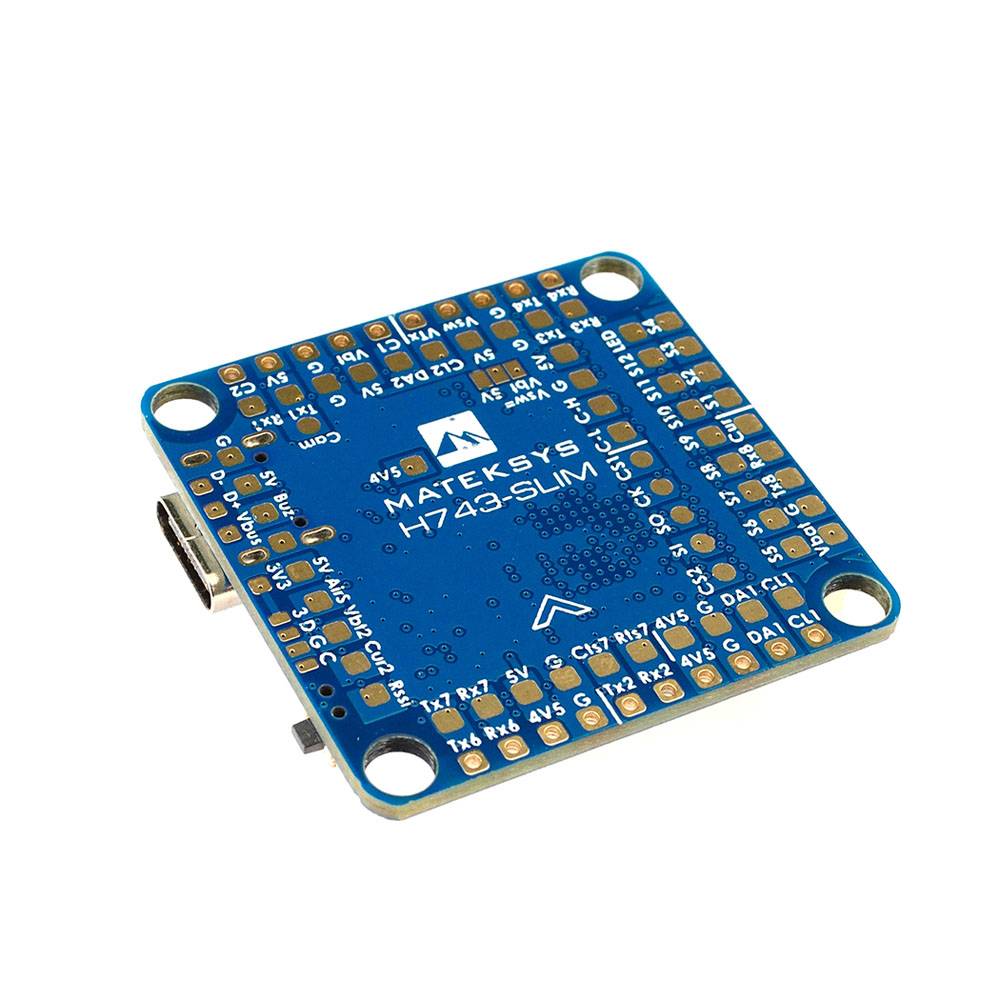
STM32H743 flight controller with two inertial sensors, a barometer and a microSD slot for flight logs. Features 7 UART ports, CAN and 13 PWM outputs. Compact board for integrating onboard electronics.
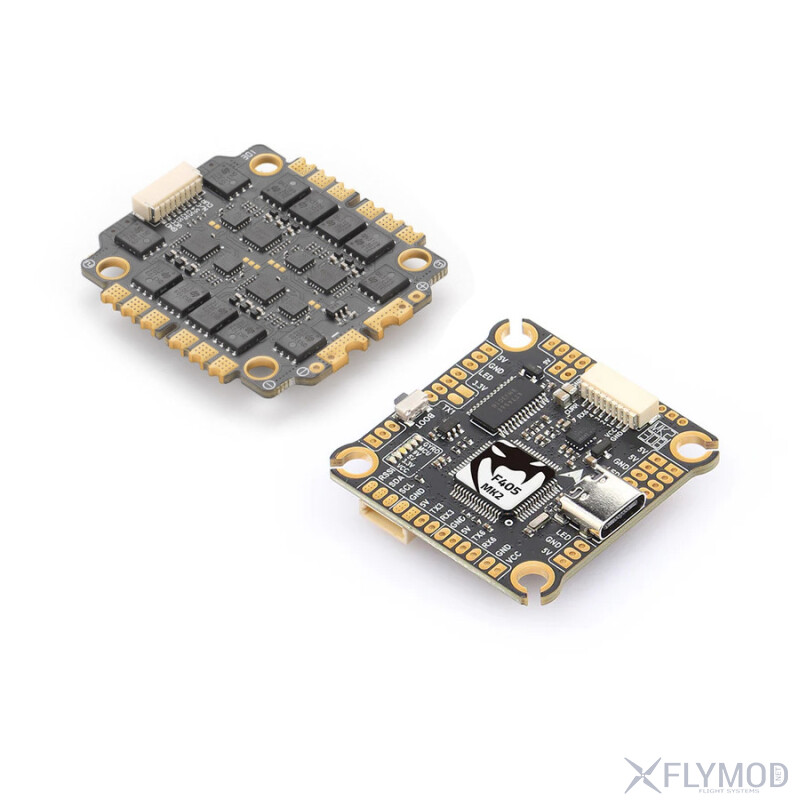
MAMBA stack with an F405 MK2 V2 flight controller and F55 BLS 55A 4-in-1 ESC. Designed for FPV builds with 30 × 30 mm/M3 mounting. Combines flight control and control of four motors in a compact board set.
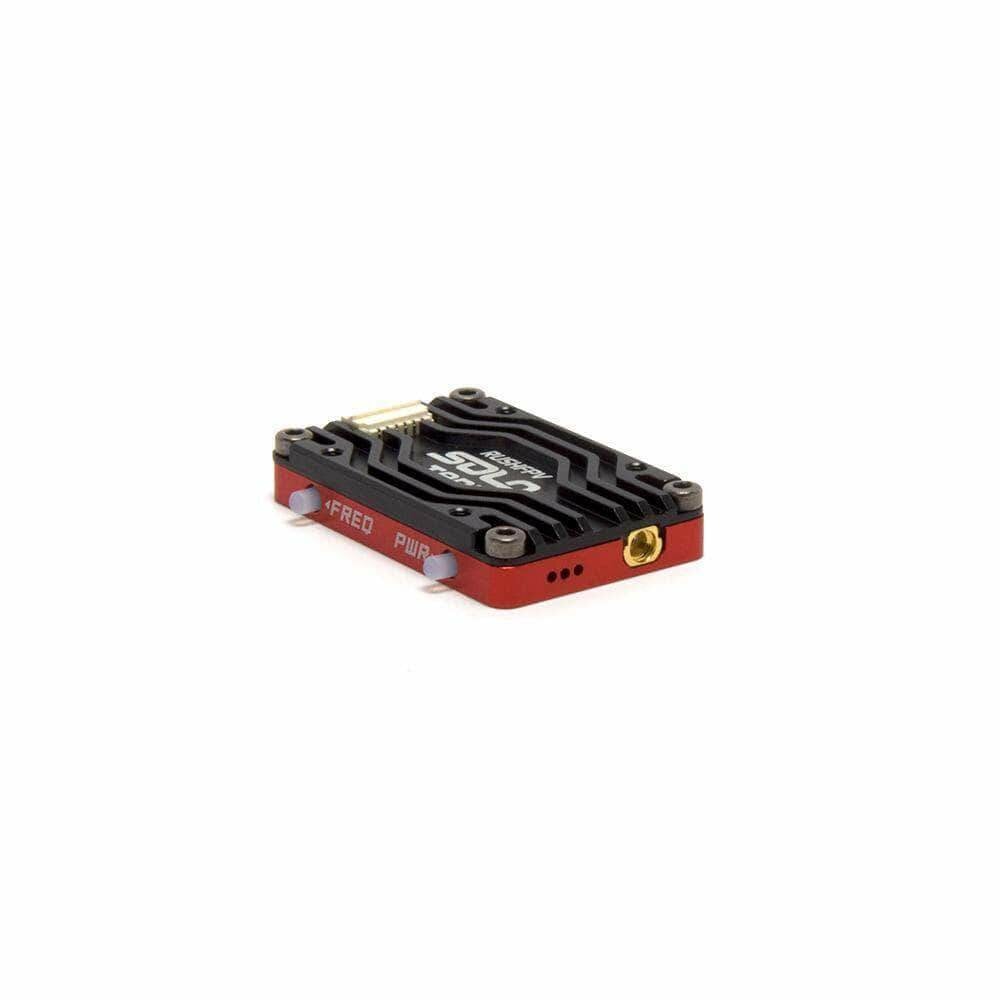
5.8 GHz analog FPV video transmitter with 48 channels, power up to 1.6 W and PIT mode. Features an aluminum housing, integrated AGC microphone and SmartAudio control. Supply: 7–36 V. Dimensions: 37 × 24 × 6.7 mm.
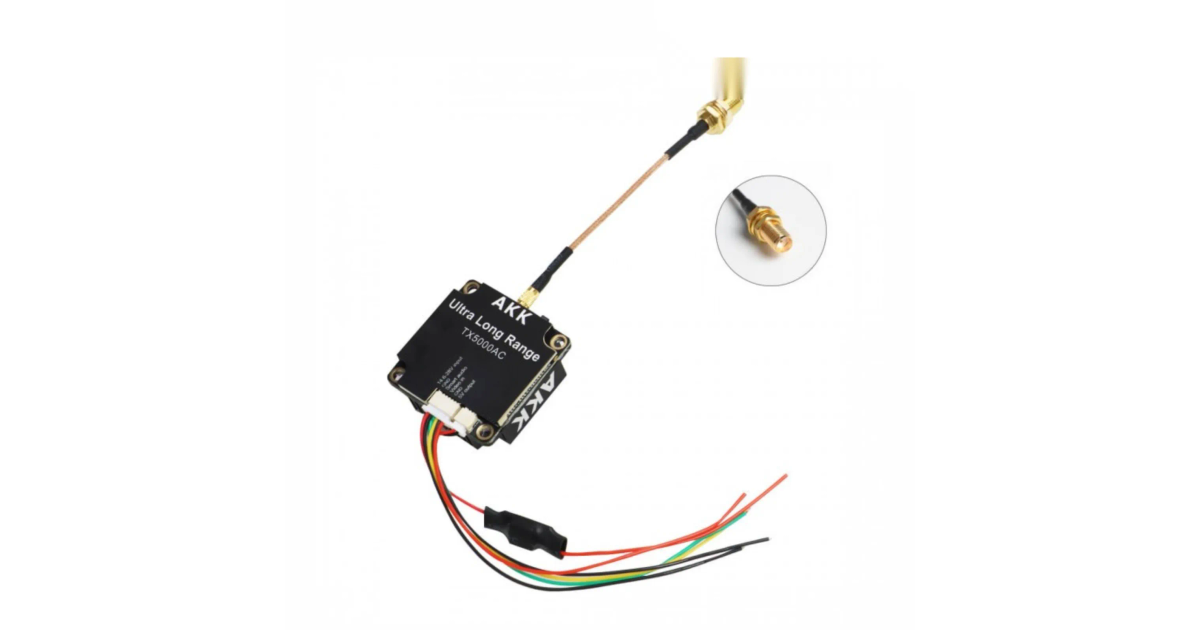
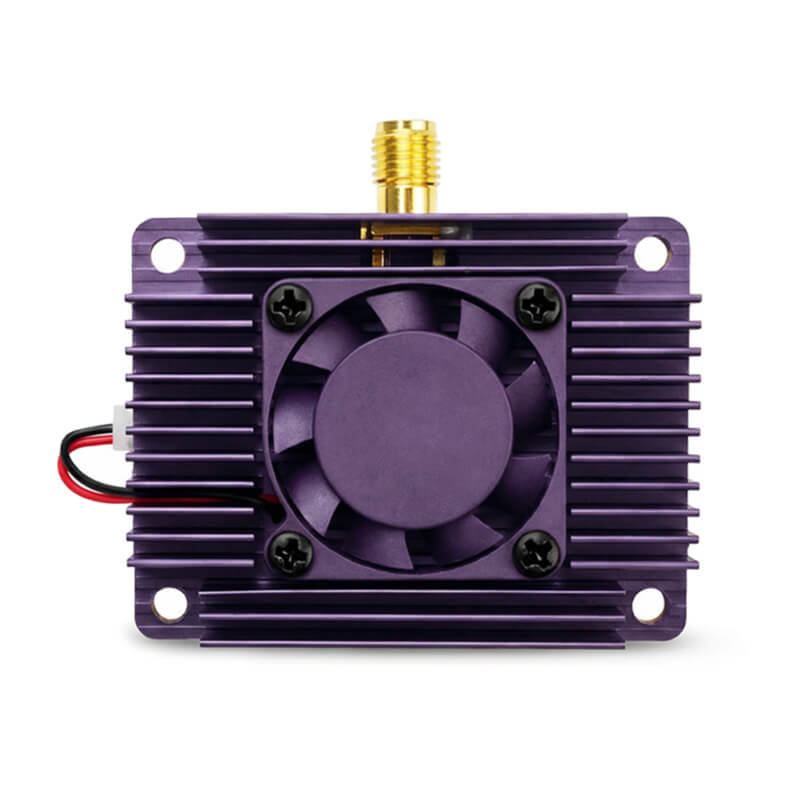
Wideband analog video transmitter with 96 channels in the 4900–6060 MHz range. Selectable power levels: 25, 200, 500, 1000, 3000 and 5000 mW. A heat sink and fan provide cooling.
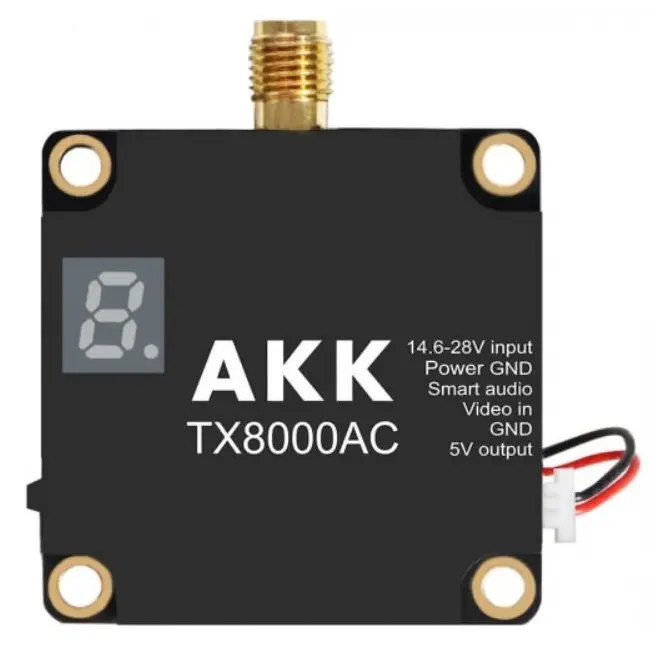
Wideband analog video transmitter with 96 channels in the 4900–6060 MHz range. Supports 25, 1000, 3000, 5000 and 8000 mW power levels. Equipped with a heat sink and cooling fan.
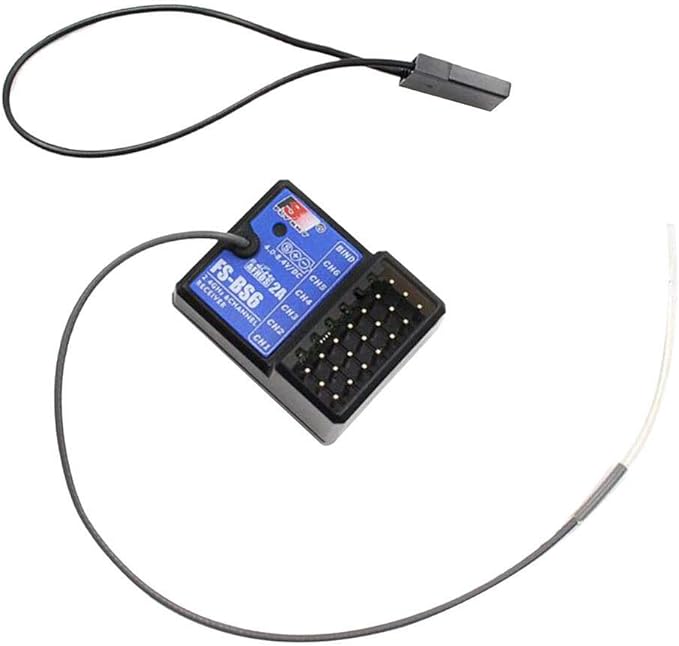
Six-channel 2.4 GHz receiver with AFHDS 2A and PWM outputs. Supply: 4.0–6.5 V. Single antenna and RSSI support. Dimensions: 29 × 22 × 16.2 mm. Weight: 7.6 g.
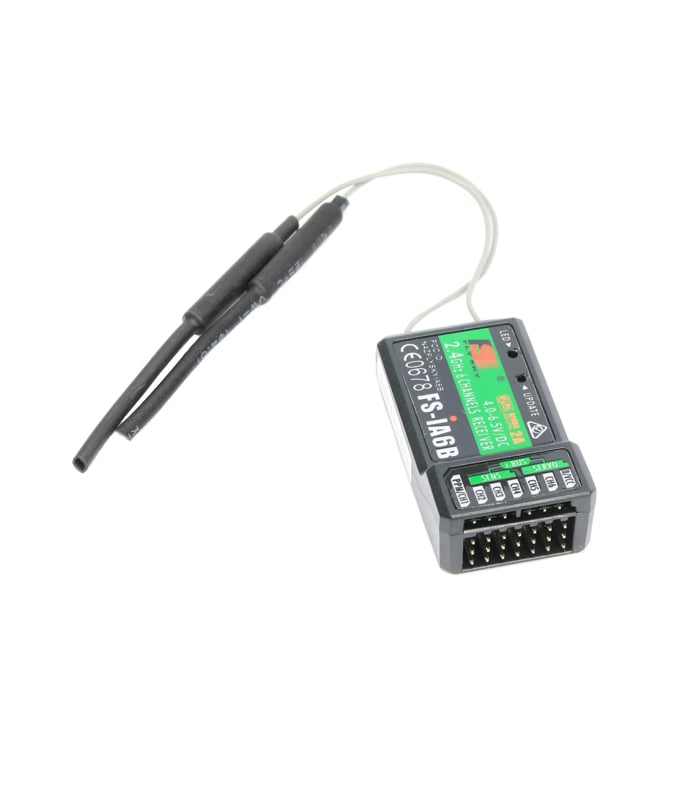
2.4 GHz AFHDS 2A receiver with six PWM channels and two antennas. Supports PWM, PPM, i-BUS, S.BUS and RSSI. Supply: 4.0–8.4 V. Dimensions: 47 × 26.2 × 15 mm.
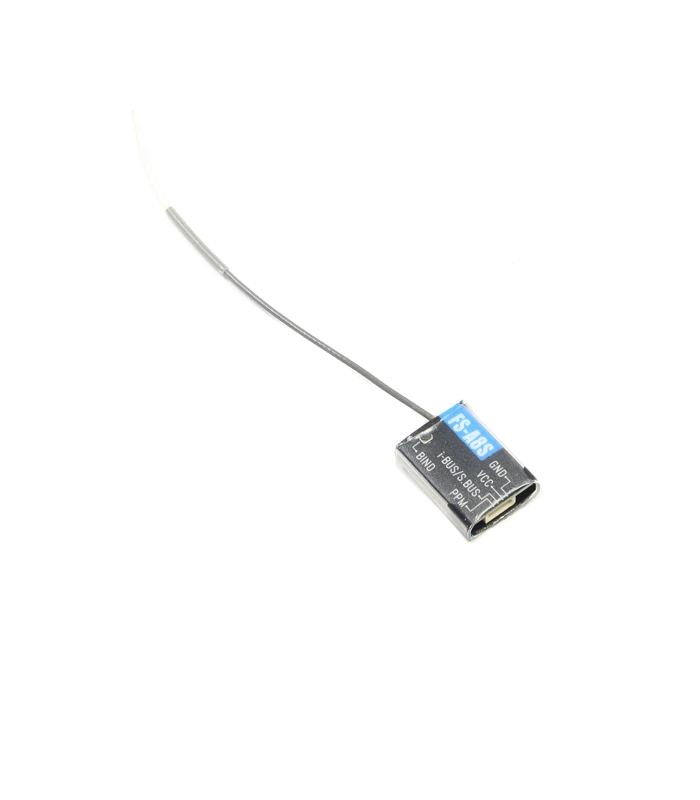
Compact 2.4 GHz AFHDS 2A receiver for radio-controlled models. Features PPM, i-BUS and S.BUS serial outputs for connection to a compatible flight controller.
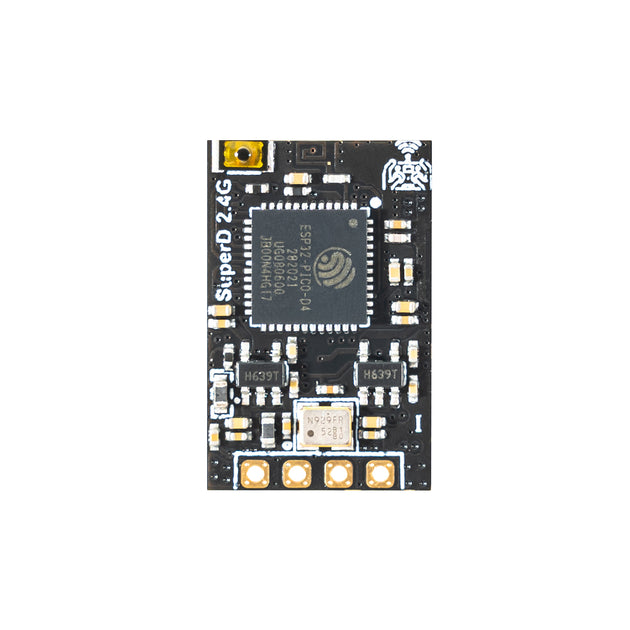
Dual-band ExpressLRS receiver with two LR1121 chips, ESP32-PICO-D4 and TCXO. Supports 915 MHz Gemini, 2.4 GHz Gemini and simultaneous 915 MHz + 2.4 GHz operation. Supply: 5 V. Telemetry up to 100 mW, Wi-Fi updates. Receiver weight: 1.7 g.
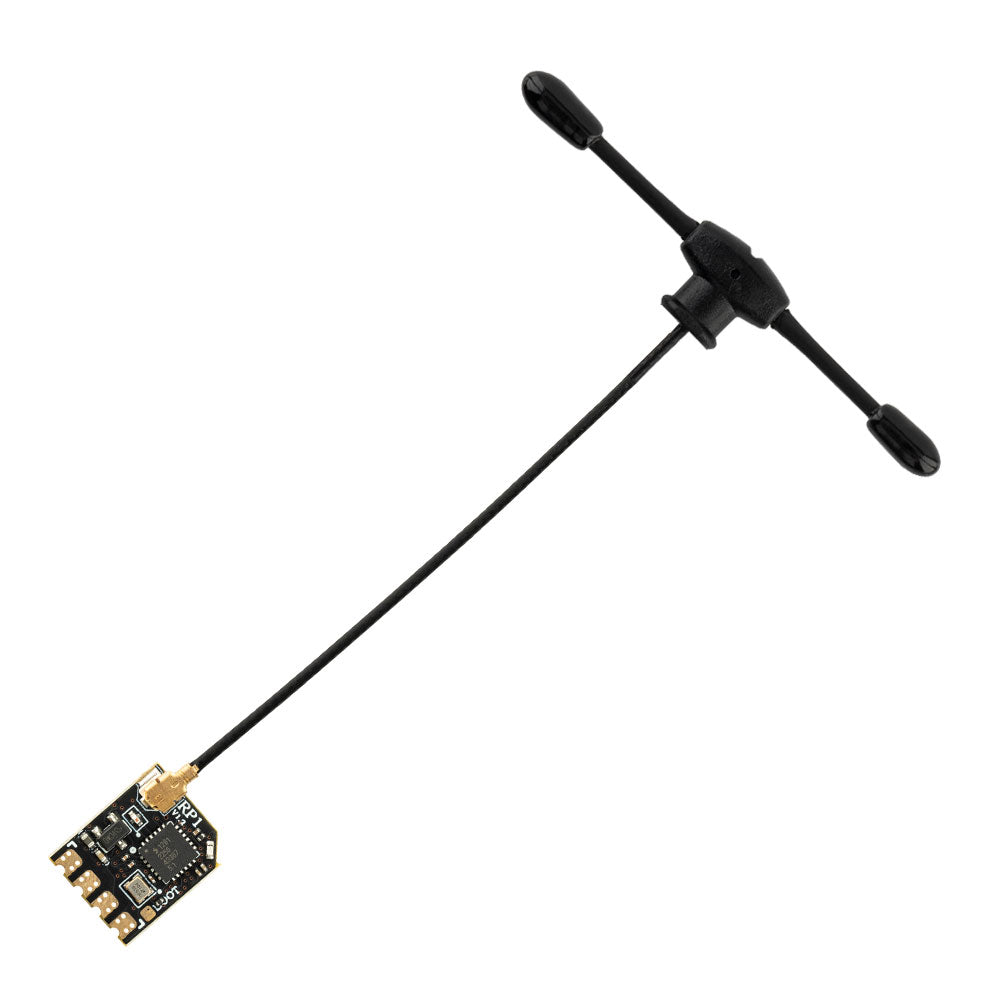
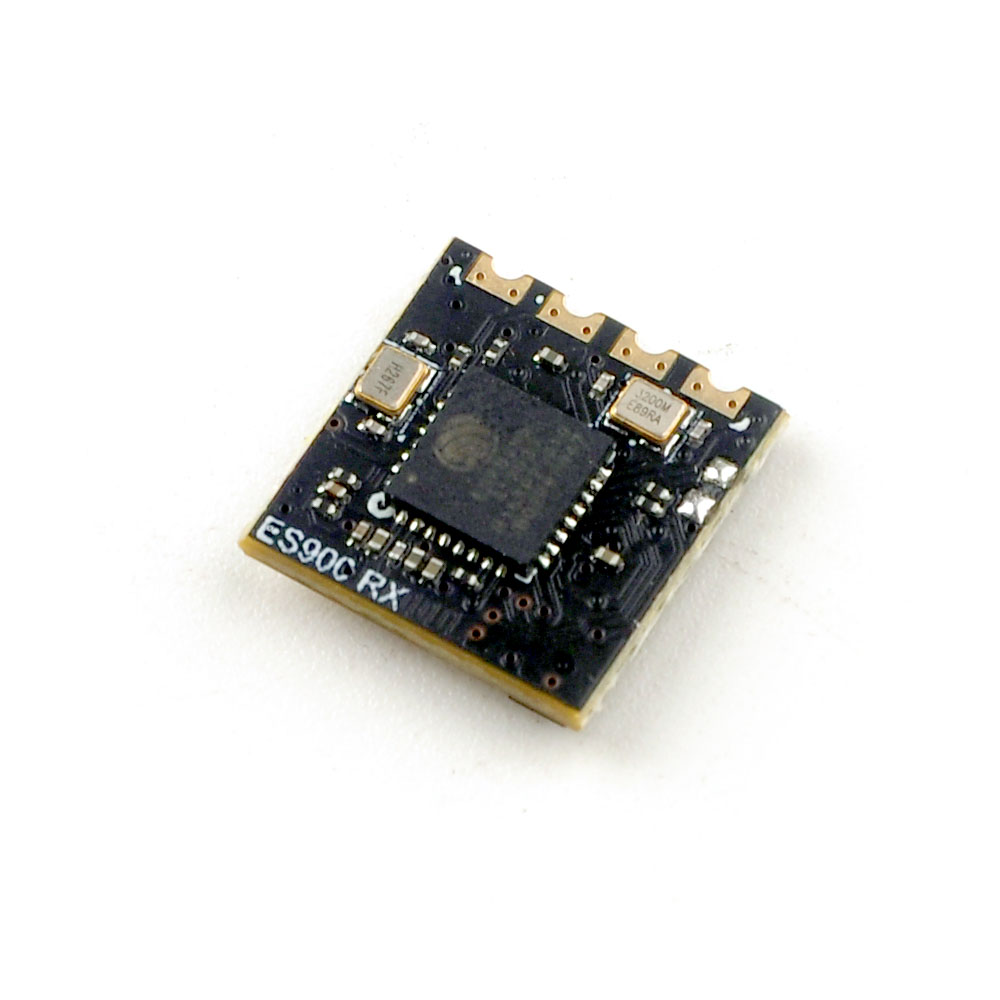
Single-antenna ExpressLRS receiver based on ESP8285 for 915 or 868 MHz, depending on firmware. Runs on 5 V and connects to the flight controller via CRSF. IPEX1 antenna connector. Dimensions: 12 × 12 × 3 mm. Weight without antenna: 0.60 g.
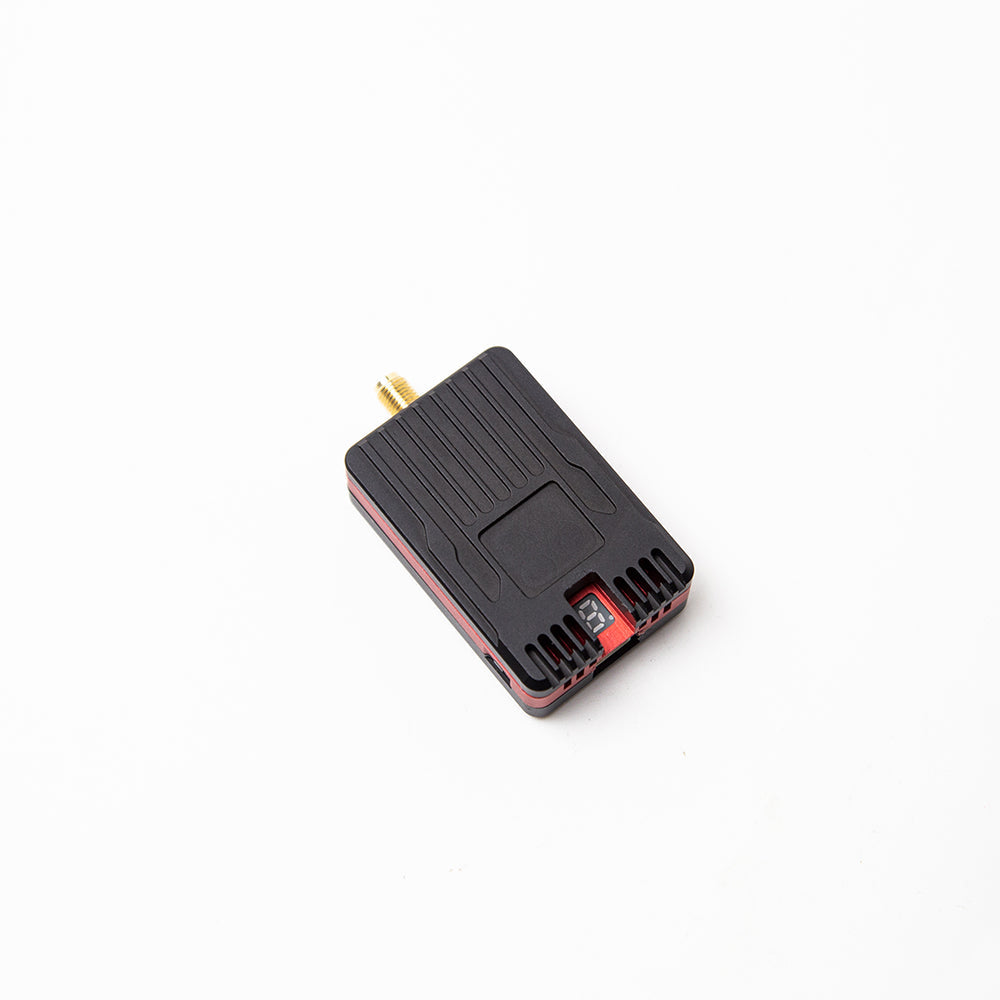
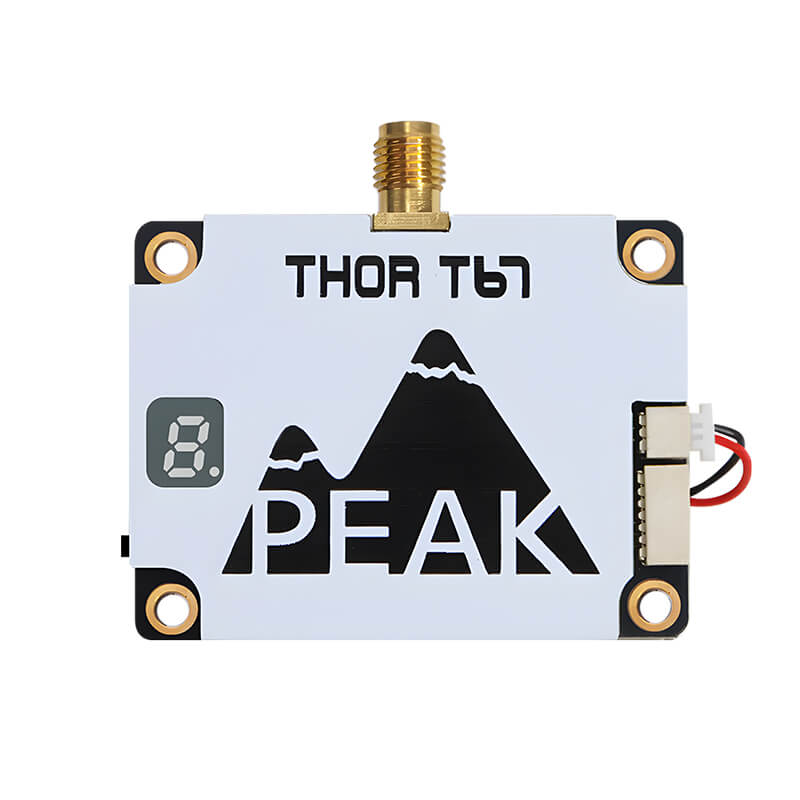
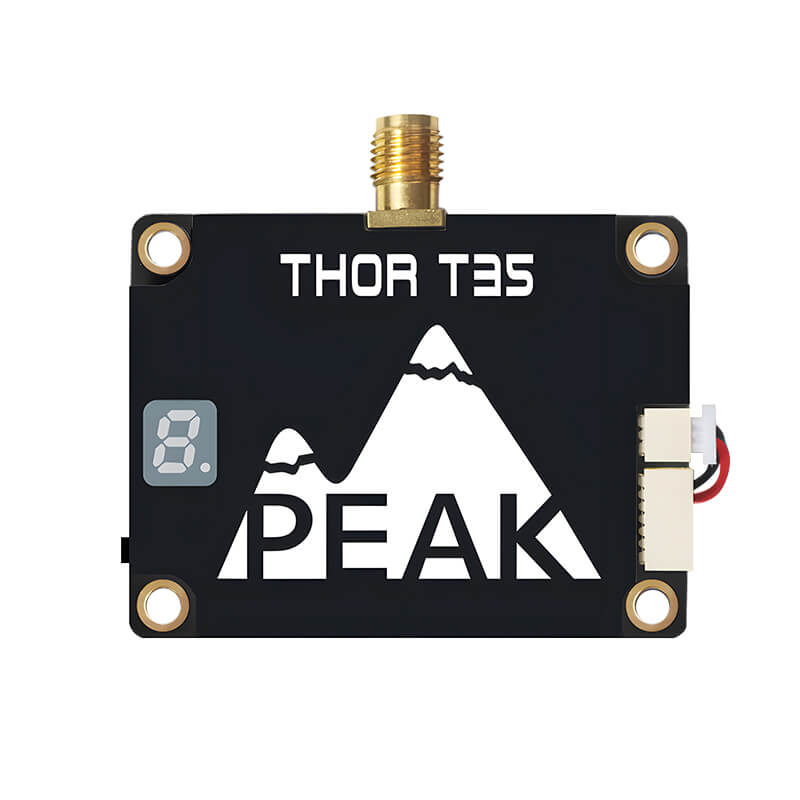
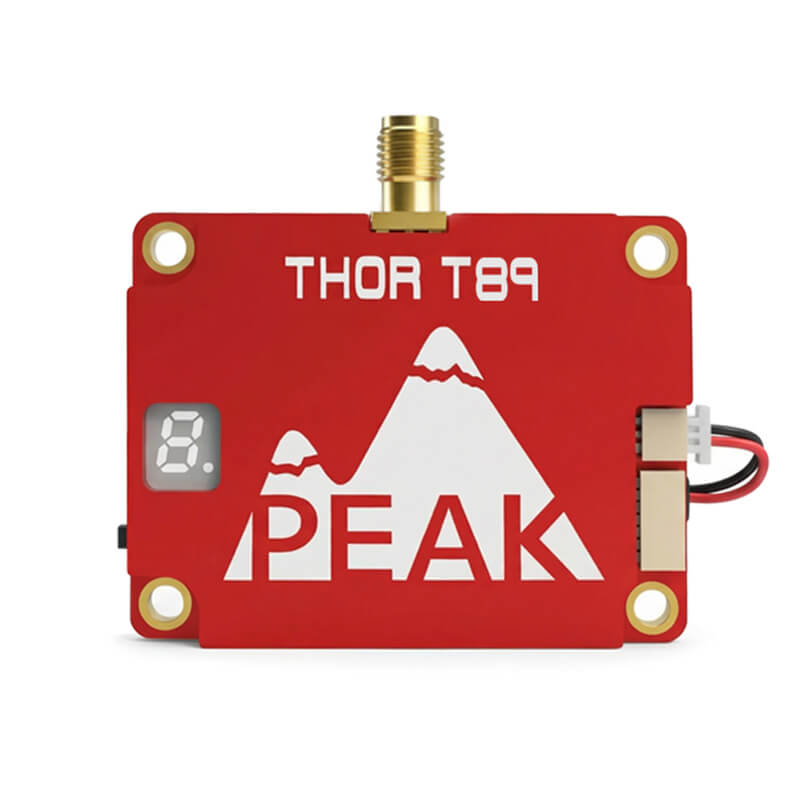
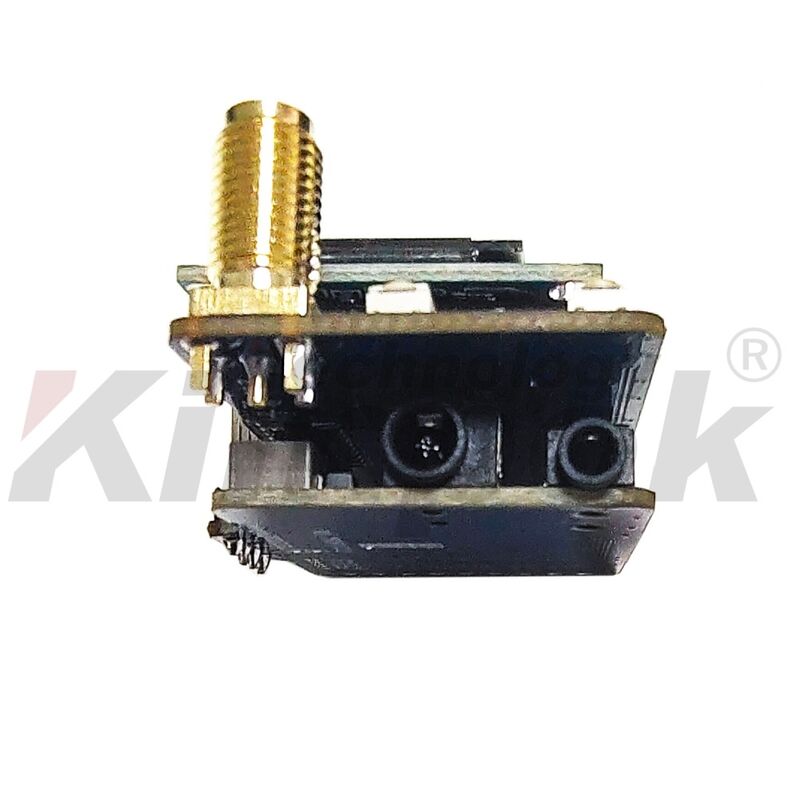
6–7 GHz analog video transmitter with 64 channels. Supports SmartAudio and features an SMA antenna connector and cooling fan. Supply: 9–28 V. Output power up to 3 W.
Analog video transmitter with adjustable power up to 3 W. Supports SmartAudio control and features an SMA connector. Supply: 9–28 V. Board dimensions: 47 × 36 mm.
Autopilot with an STM32H7-series processor and three inertial sensors. Features vibration isolation, temperature compensation and an RM3100 magnetometer. Supports ArduPilot and PX4.
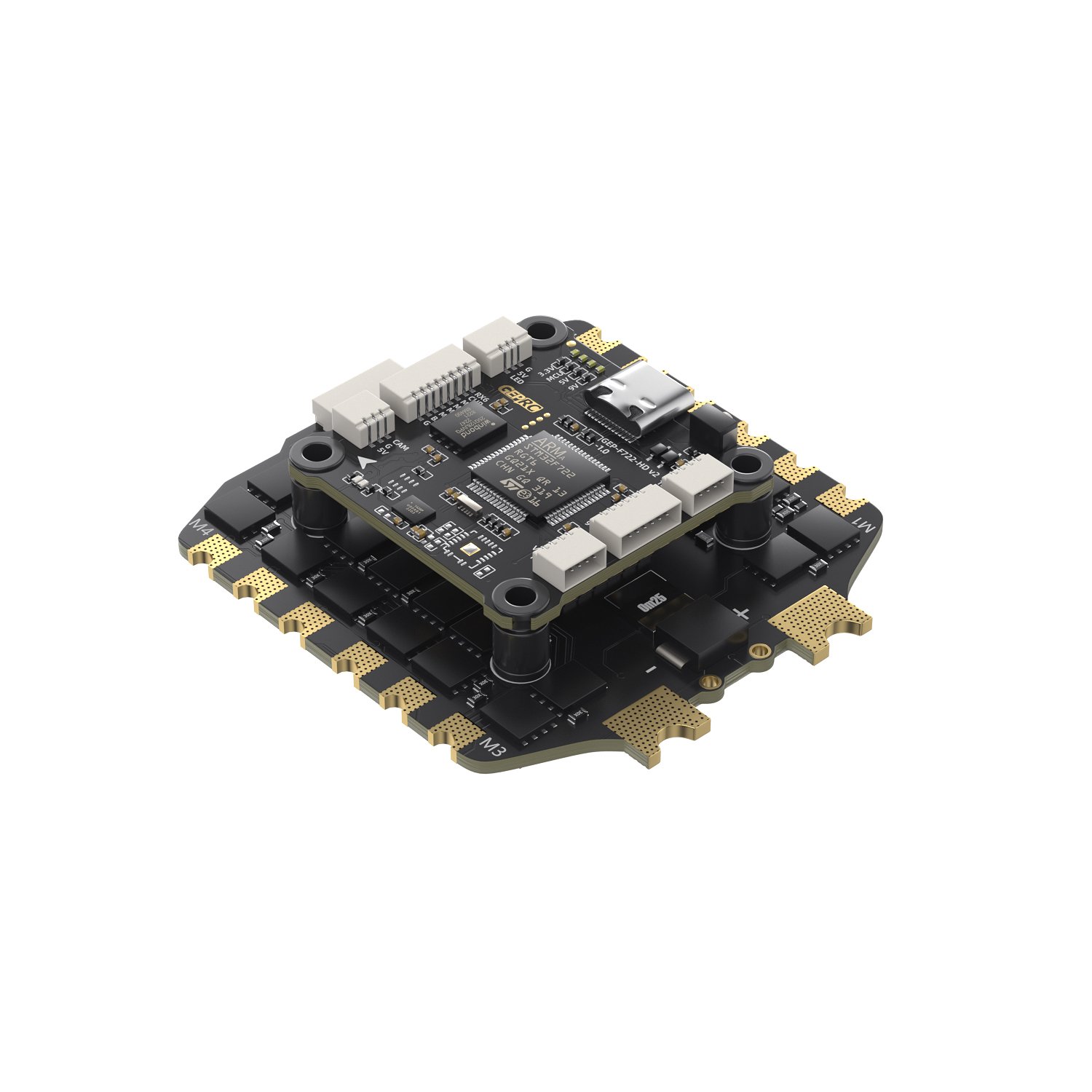
STM32F722 flight controller and 80 A ESC set. Features an inertial sensor, UART ports and USB-C. Powered by a 3–6S LiPo battery. Mounting holes: 30.5 × 30.5 mm.
7–8 GHz analog video transmitter with power up to 3 W. Supports SmartAudio and features an SMA antenna connector. Supply: 14–28 V. Board dimensions: 47 × 36 mm.
8.0–8.8 GHz analog video transmitter with adjustable power up to 4 W. Supports SmartAudio and features an SMA connector. Supply: 16–28 V. Board dimensions: 47 × 36 mm.
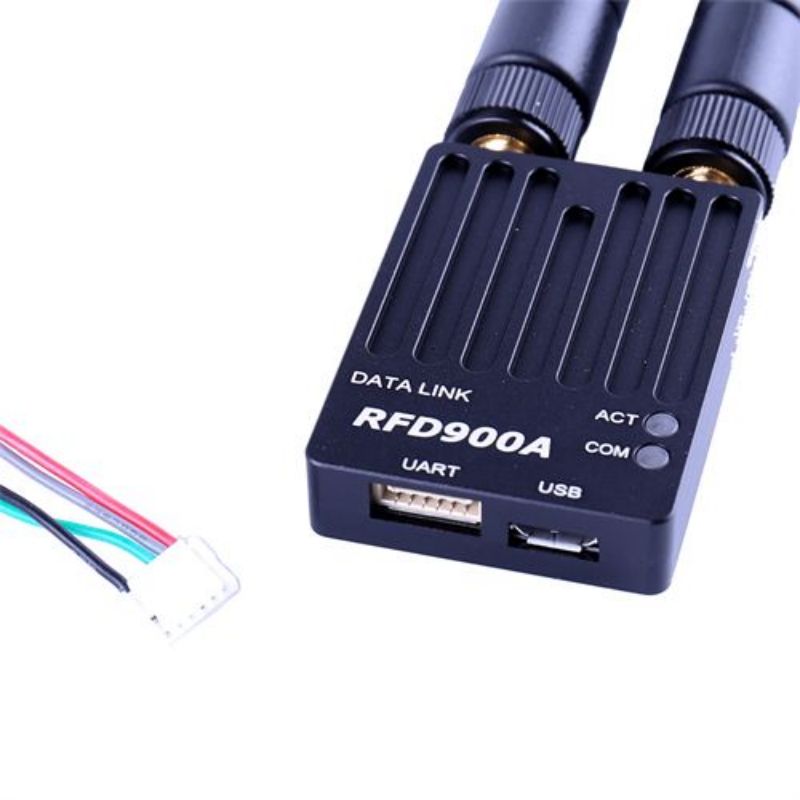
Radio modem for data exchange between onboard electronics and a ground station. Features a UART serial interface and AT-command configuration. Supply voltage: 5 V.
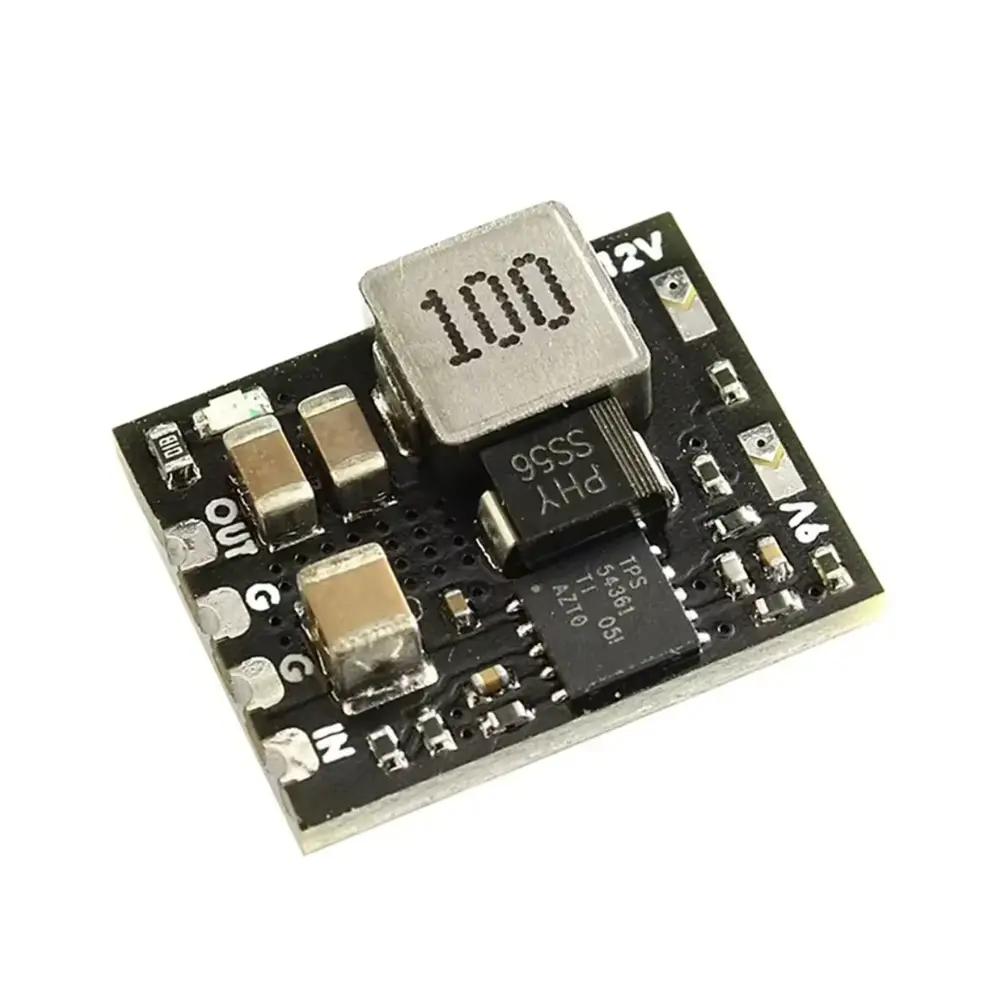
Compact step-down converter for onboard electronics. Input voltage: 6–60 V. Output voltage: 5, 9 or 12 V. Features overload and overtemperature protection. Weight: 2 g.
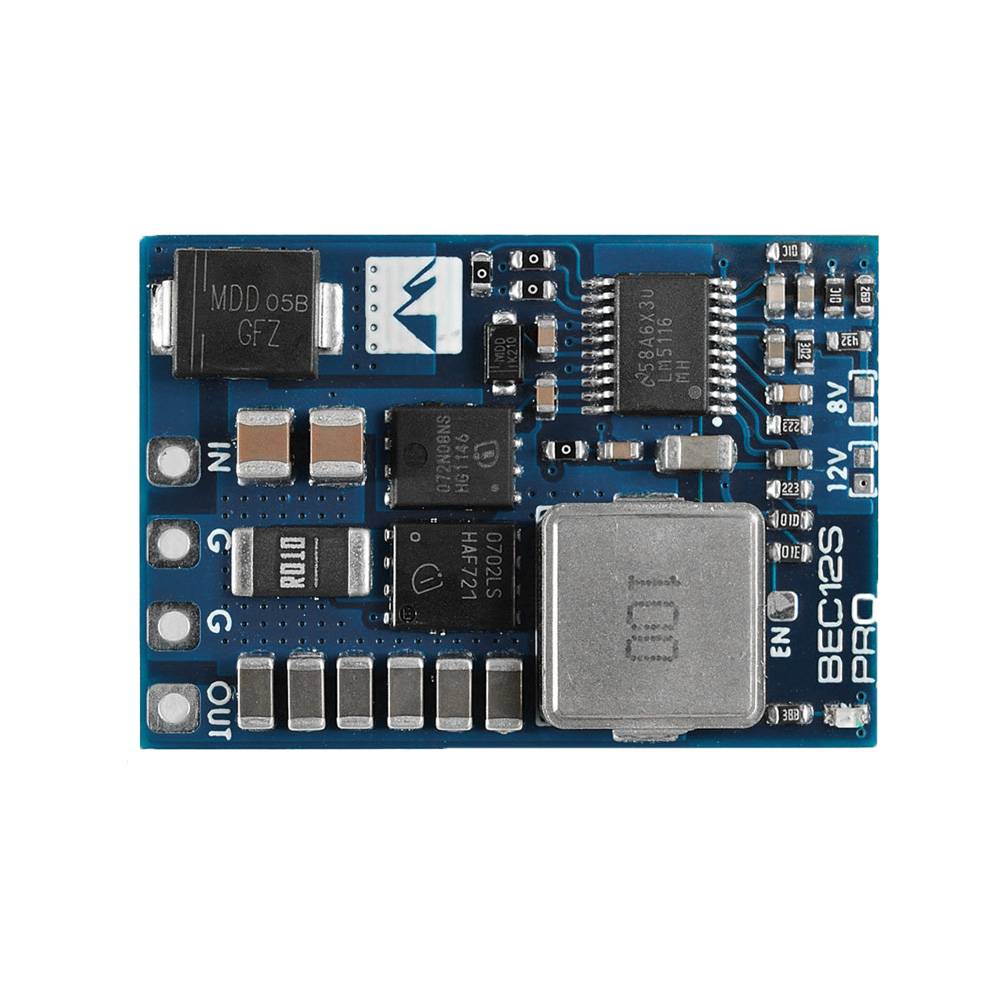
Step-down power regulator with a 9–55 V input range. Output voltage: 5.2, 8 or 12 V; continuous output current up to 5 A. Features overload and overtemperature protection.
Analog video receiver with 64 channels in the 6.1–7.2 GHz range. An OLED display shows the channel and signal strength. Supports automatic scanning and provides a CVBS video output. Supply: 5–36 V.
Compact ExpressLRS receiver for radio-controlled models. Operates at 2.4 GHz and features an external T-shaped antenna and connection pads for a flight controller.
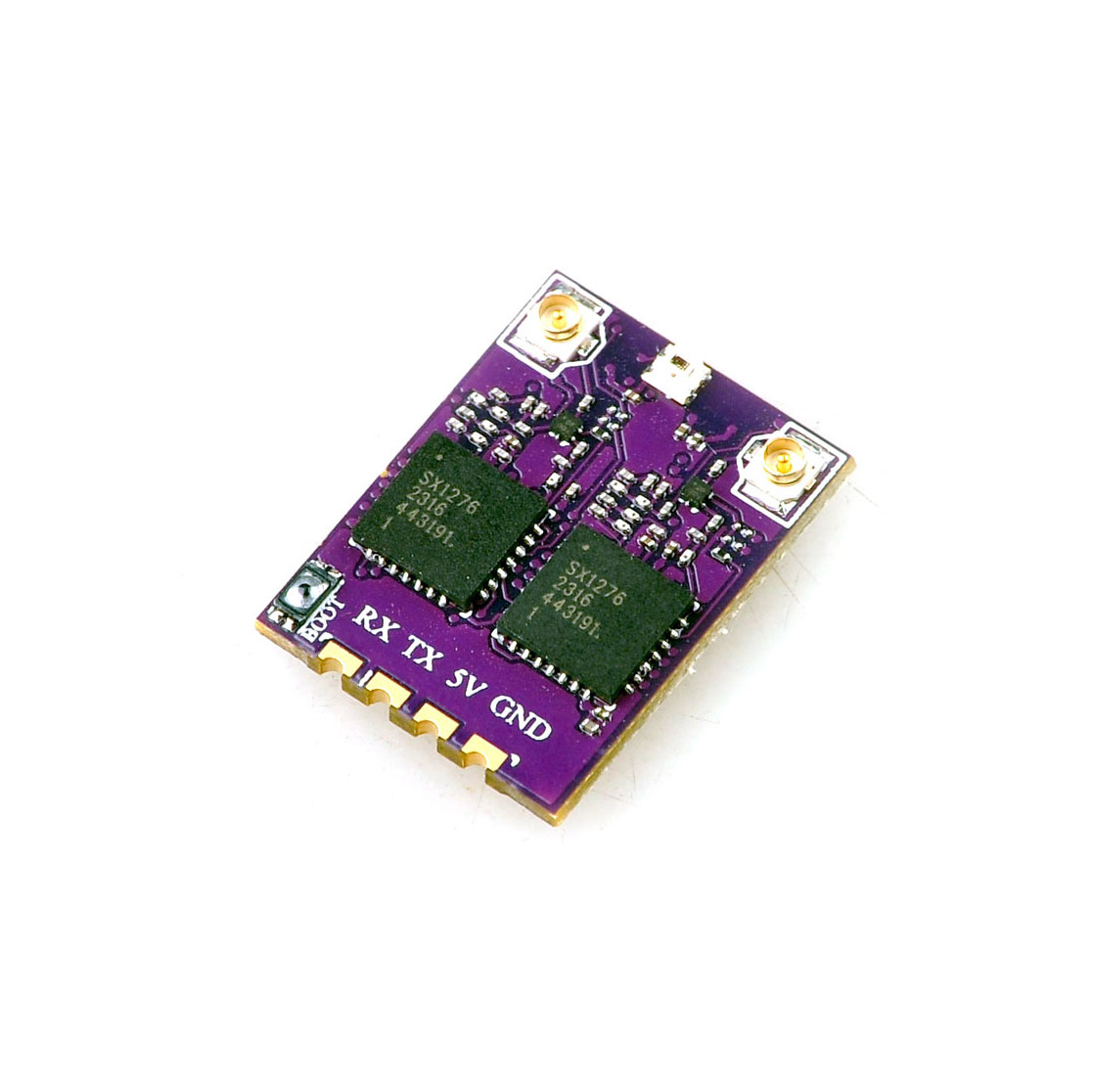
Compact 915 MHz ExpressLRS receiver based on ESP8285 and SX1276. Connects to a flight controller via CRSF and runs on 3.6–5.5 V. IPEX antenna connector. Board dimensions: 11 × 18 mm.
Dual-band 900 MHz/2.4 GHz ExpressLRS receiver based on LR1121 and ESP32-PICO with a temperature-compensated TCXO oscillator. Supports Gemini and features two IPEX1 antenna connectors. Supply: 3.6–5.5 V. Dimensions: 16 × 27 mm. Weight without antennas: 1.8 g.
Compact 2.4 GHz ExpressLRS receiver. Supports CRSF and features an external T-shaped antenna and Wi-Fi updates. Designed for connection to compatible flight controllers.
STM32F722 flight controller and 60 A ESC set. Features UART ports, memory for flight logs and USB-C. Powered by a 3–6S LiPo battery. Mounting holes: 30.5 × 30.5 mm.
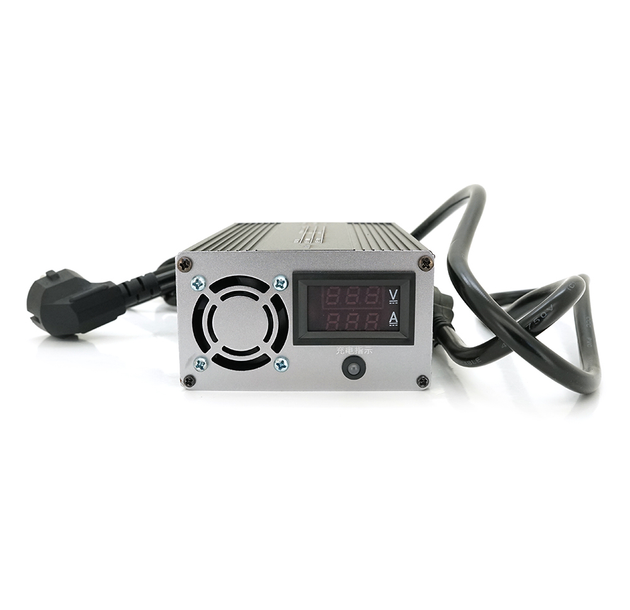
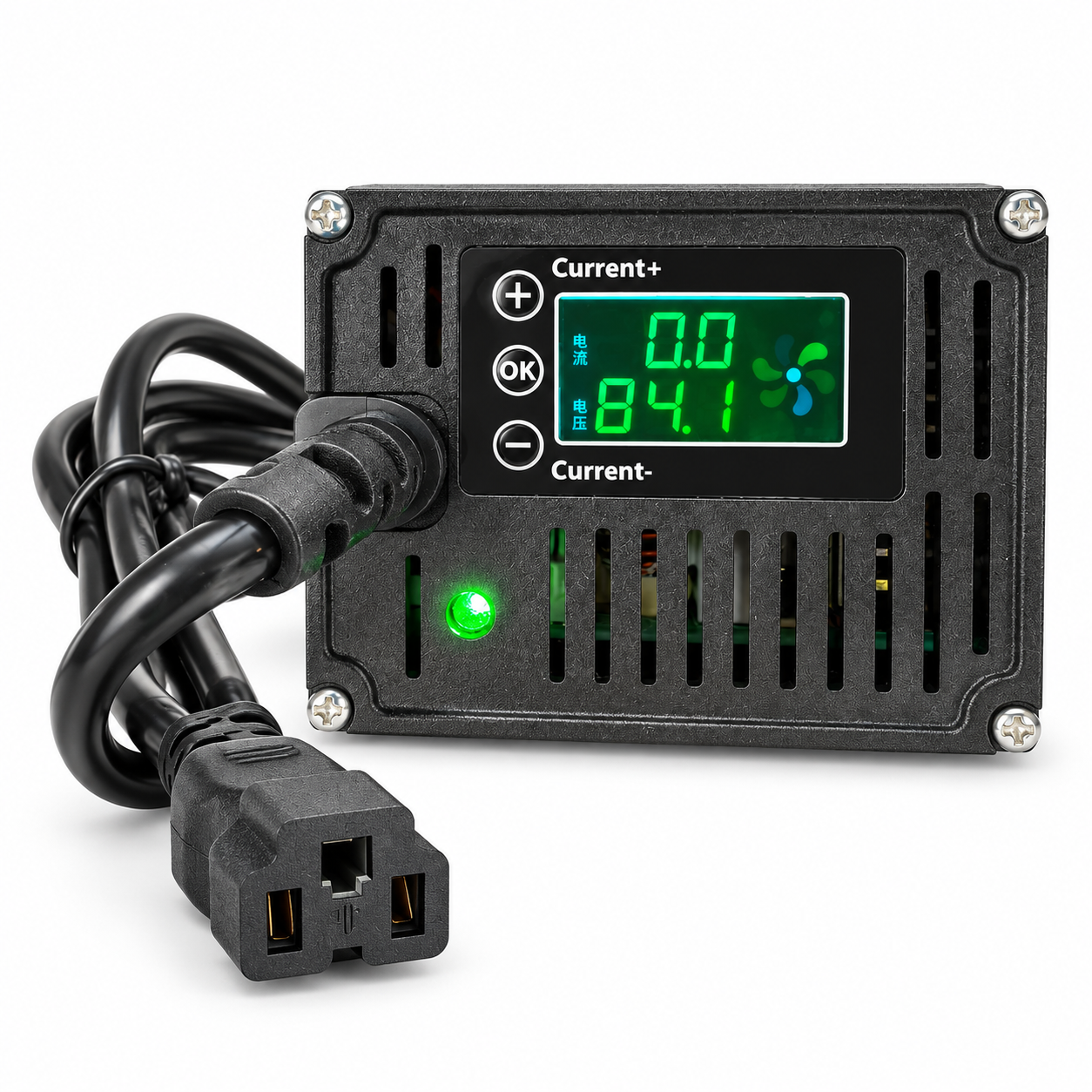
Professional 84V charger for Li-ion batteries with user-adjustable charging current from 1 to 15 A.
The key feature is adjustable 1–15 A current, rather than fixed 5 A / 10 A / 15 A settings.
For faster charging, increase the current within the limits specified by the battery and BMS manufacturer. When time allows, select a lower current for gentler charging.
Suitable for compatible 72V Li-ion batteries with a maximum charging voltage of 84V.
• Adjustable current: 1–15 A
• Maximum voltage: 84 V
• Digital display showing current and voltage
• Current+ / Current− buttons
• Active cooling with a built-in fan
• Input: 220 V / 50 Hz
• Operation and charging status indication
Especially convenient for high-capacity batteries that take a long time to charge with a low-power charger.
Suitable for electric scooters, mopeds, bicycles and other vehicles or equipment with a compatible 72V Li-ion battery. Confirm connector compatibility, polarity and permitted charging current before ordering.
Model: 84V2-15A. Battery type: Li-ion. Nominal system: 72 V. Maximum voltage: 84 V. Current: adjustable 1–15 A. Input: 220 V, 50 Hz. Cooling: active.
Contact our team to confirm specifications, availability and supply terms.
02 / HOW TO ORDER
From selection to delivery
01
Choose a product
Find the component you need in the catalog.
02
Send an inquiry
Specify the model, quantity and preferred delivery date.
03
Confirm the supply terms
Receive confirmation of availability, pricing and terms.
Lead times are up to 45 days. The exact schedule is agreed individually for each item upon request. Pricing and supply terms are confirmed when arranging your order.
We import and supply engines, flight controllers, servos, sensors, radio equipment and power components in Ukraine. Product pages contain specifications and images to help you prepare a supply request.
How can I request a price?
Add the required products to your request and specify quantities, your contact details and preferred delivery time. Prices and supply terms are confirmed individually.
How long does delivery take?
Supply takes up to 45 days. The exact delivery time is confirmed individually for each item when your request is reviewed.
Does the company work with VAT?
Yes. RedLine Technology LLC is VAT registered. Payment and document requirements are agreed when arranging supply.
What should I check before ordering?
Confirm the exact model, power requirements, dimensions, interfaces and included components using the product documentation. Send these requirements with your request.
We import and supply electronic components, electromechanical equipment, sensors, servos, controllers, navigation modules and engines. We work with manufacturers and suppliers outside Ukraine, handling direct purchasing, customs clearance and supply to business customers.
 EN